


6 Pro Chef Secrets That Will Transform the Way You Cook
You don’t need a Michelin star to cook like a professional. These six insider techniques — straight from top British chefs — are simple enough for any home kitchen and powerful enough to change everything.
Here’s the truth about professional cooking: most of what happens in a restaurant kitchen isn’t replicable at home. The equipment is different. The scale is different. The pace is different. But the thinking behind great cooking? That travels beautifully. A handful of techniques, applied consistently, can elevate your everyday meals from decent to genuinely impressive — without any fancy gear or culinary school training.
These six secrets come from some of the UK’s most respected working chefs. Each one is practical, easy to integrate, and backed by real culinary logic.
Add a pinch of baking soda to your boiling water for greens
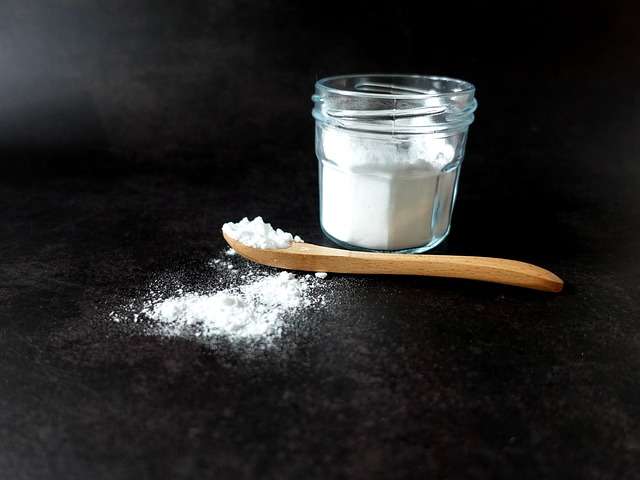
Mark Threadgill, Head Chef, Portmeirion Hotel
This is one of those small moves that produces a noticeably big result. When you’re boiling green vegetables — broccoli, asparagus, green beans, peas — add a small pinch of bicarbonate of soda to the water before the vegetables go in. The baking soda raises the pH of the water slightly, which breaks down the cell walls of the vegetables more efficiently, giving you a noticeably tender texture without turning them to mush.
“The real bonus is color: your greens stay brilliantly vibrant rather than fading to that dull, army-green shade that signals overcooked vegetables.”
Keep the quantity modest — half a teaspoon per large pot is plenty. Too much will soften the vegetables past the point of no return and introduce a slightly soapy flavor.
Marinate meat for a full 48 hours
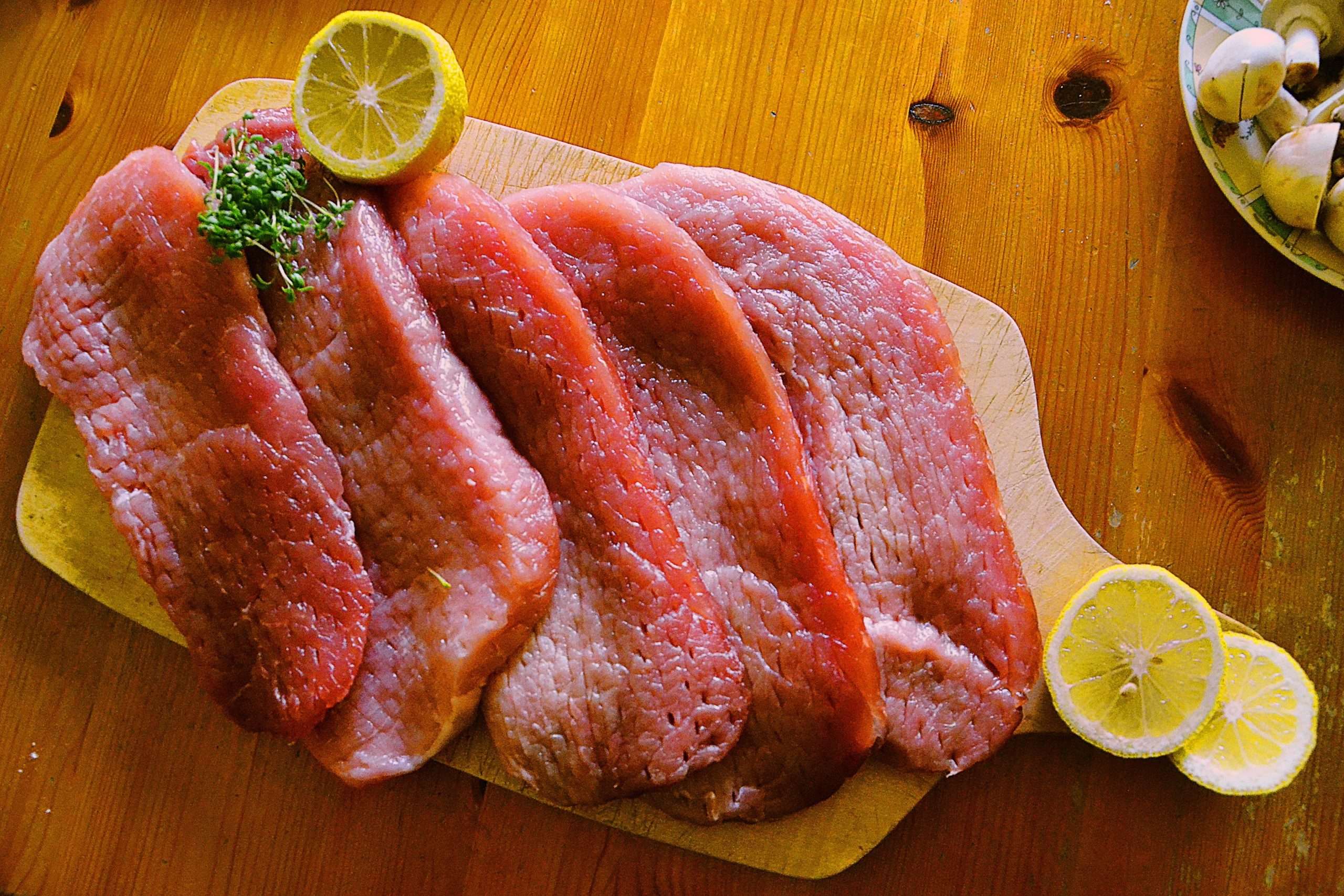
Shoeb Haider, Head Chef, Zaika Restaurant
Most home cooks marinate for an hour or two — maybe overnight if they’re feeling ambitious. But Haider’s approach with lamb chops is more committed: a full 48-hour soak in a blend of raw papaya paste, fresh ginger, chili powder, curry garam masala, coriander, salt, and yogurt. Raw papaya contains papain, a natural enzyme that breaks down tough muscle fibers, acting as a tenderizer from the inside out. The spices and dairy, meanwhile, work their way deep into the meat, building layers of flavor that a quick marinade simply cannot achieve.
This technique is especially valuable with cheaper, tougher cuts — the ones that can taste chewy or dry when cooked without preparation. A long marinade essentially does the tenderizing work for you, leaving you with meat that’s rich, yielding, and full of character.
Salt your onions the moment they hit the pan
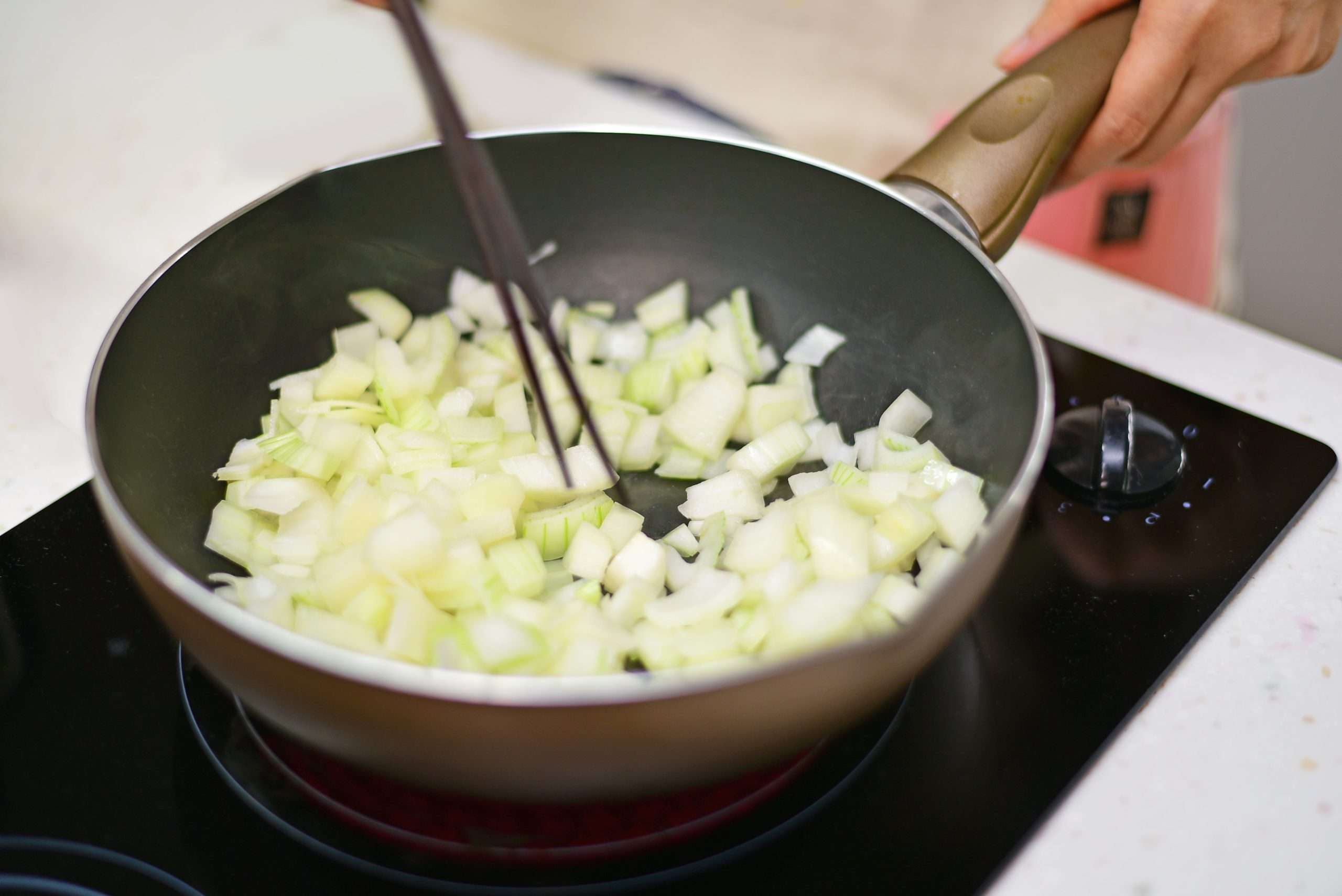
Vivek Singh, Executive Chef, The Cinnamon Club
Onions are the foundation of a vast number of savory dishes, and how you handle them in the first few minutes of cooking shapes everything that follows. Singh’s rule is simple: add salt to your onions as soon as they go into the pan. Salt draws moisture out through osmosis — the onions release their liquid quickly, which speeds up the softening process and gets them to that golden, caramelized stage significantly faster.
There’s a broader principle here, too. Seasoning as you cook — rather than at the table — allows hot food to absorb salt properly. Food cooked with salt integrated into each stage tastes seasoned throughout, not just on the surface.
Always bring meat to room temperature before cooking
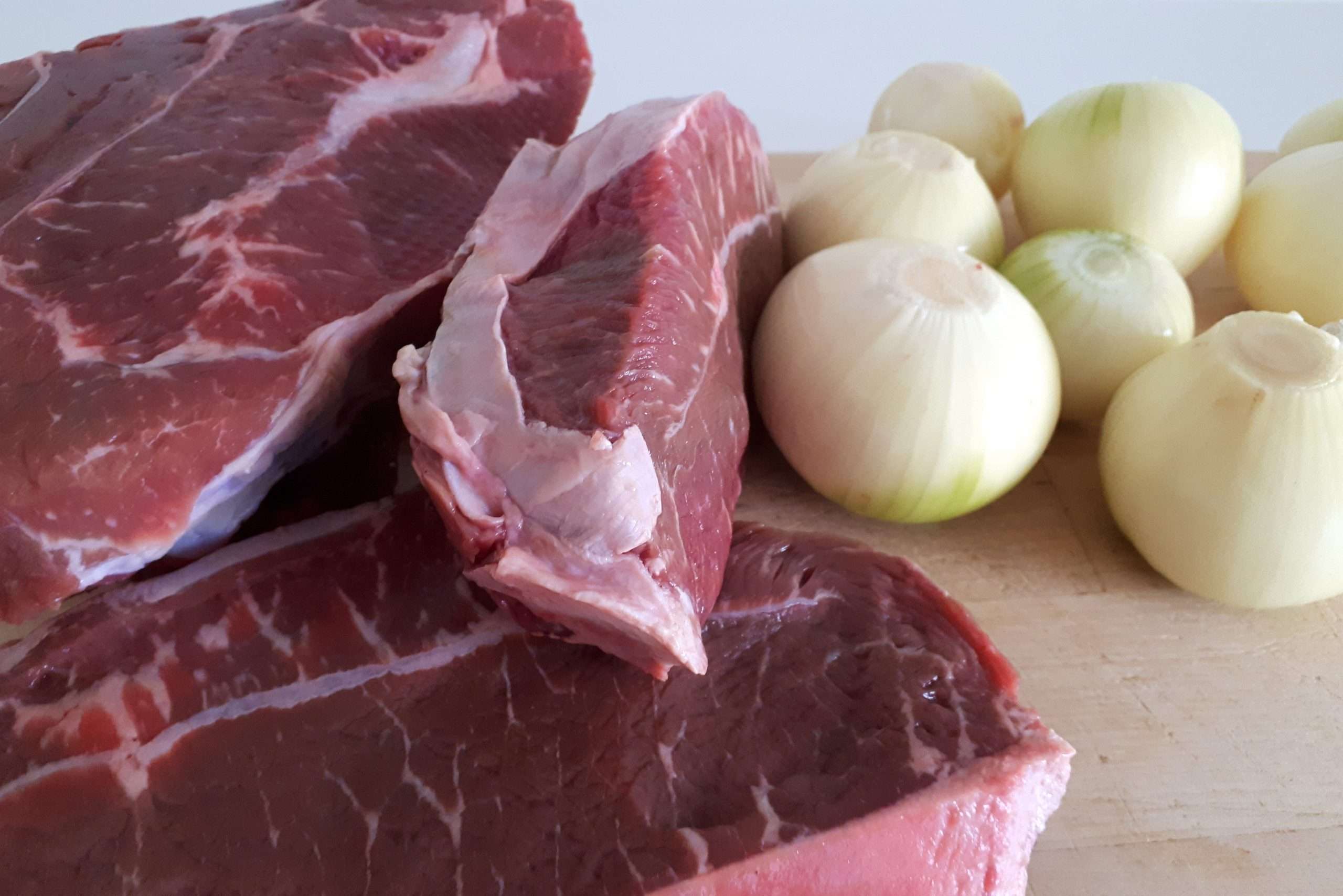
Jarad McCarroll, Head Chef, M Restaurant
Every professional chef knows this rule, and almost every home cook ignores it. The habit of pulling a steak or chop straight from the refrigerator and dropping it into a hot pan is one of the most common reasons home-cooked meat disappoints. Cold meat creates a temperature gradient: the outside cooks rapidly while the center struggles to catch up. The result is meat that’s overdone at the edges and underdone in the middle, or — if you try to compensate — dry and tough throughout.
“Take your meat out of the fridge 30 to 45 minutes before cooking. It’s a passive step that requires nothing from you and makes everything else work better.”
Room-temperature meat cooks evenly, develops a better crust, and retains more of its natural juices. This single habit upgrade will noticeably improve your steaks, chops, and roasts.
Finish with fresh herbs — but always at the end
Jarad McCarroll, Head Chef, M Restaurant
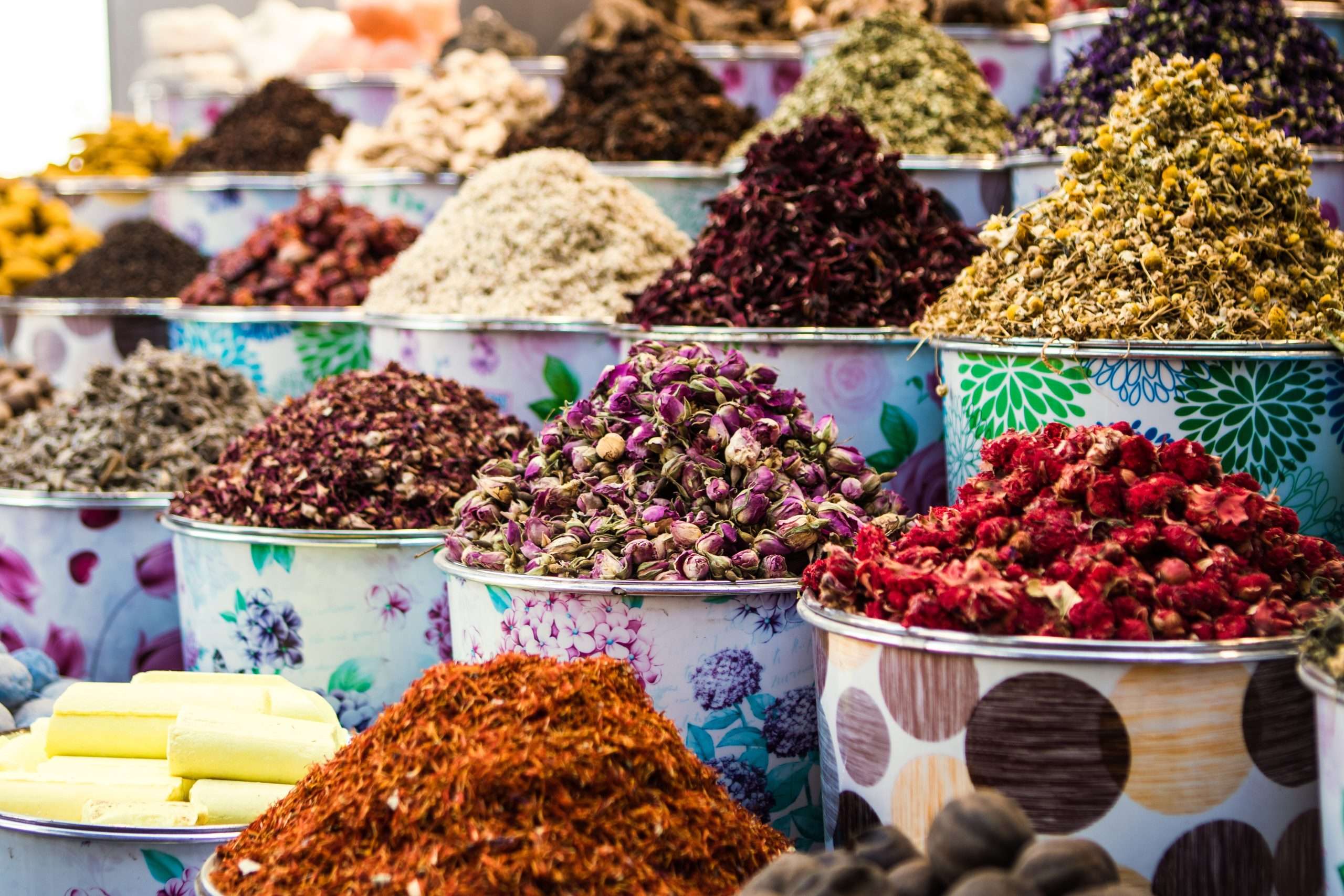
Fresh herbs are among the most transformative — and most misused — ingredients in a home kitchen. Coriander, flat-leaf parsley, basil, tarragon, and mint: each of these carries volatile aromatic compounds that evaporate quickly under heat. Add them too early, and those compounds cook off, leaving behind flavor without fragrance. The dish tastes fine, but feels flat.
The professional approach is to add fresh herbs in the final moments of cooking, or directly before serving. This preserves their perfume and gives the dish a lift that no amount of extra salt or spice can replicate. The goal, as McCarroll puts it, is for herbs to enhance a dish — not define it. They should be one voice in the chorus, not the whole song.
Prep everything before you start cooking (mise en place)
Seth Levine, Head Chef, Hotel Chantelle, London
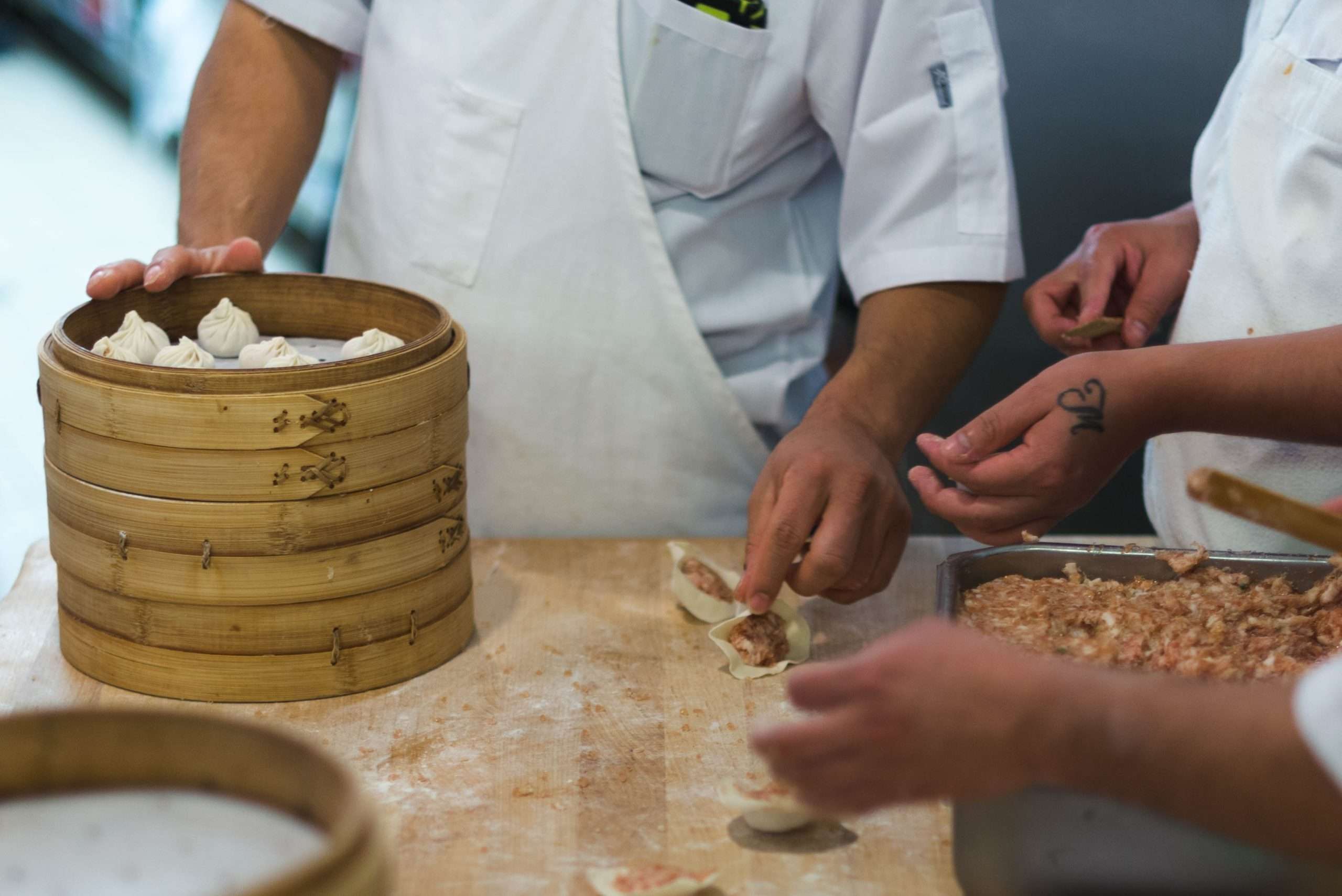
In professional kitchens, this is non-negotiable. Mise en place — French for “everything in its place” — refers to the practice of measuring, chopping, and organizing every ingredient before the cooking begins. It might feel like extra work upfront, but it’s actually the opposite: it eliminates the frantic mid-cook scramble, prevents timing errors, and keeps your mind clear to focus on the food itself.
Stopping mid-recipe to hunt for a spice or hastily chop an onion disrupts your cooking rhythm and can throw off timing in ways that genuinely damage the final result — an onion that burns because you stepped away, a sauce that reduces too far, a piece of fish that overcooks while you find the lemon. Set everything up before the first burner goes on. It’s the closest thing cooking has to a guaranteed improvement.
The bottom line: Great cooking at home isn’t about mastering complex techniques — it’s about applying the right fundamentals consistently. Salt early. Rest your meat. Prep before you cook. These habits compound over time into meals that genuinely taste like something made with care.