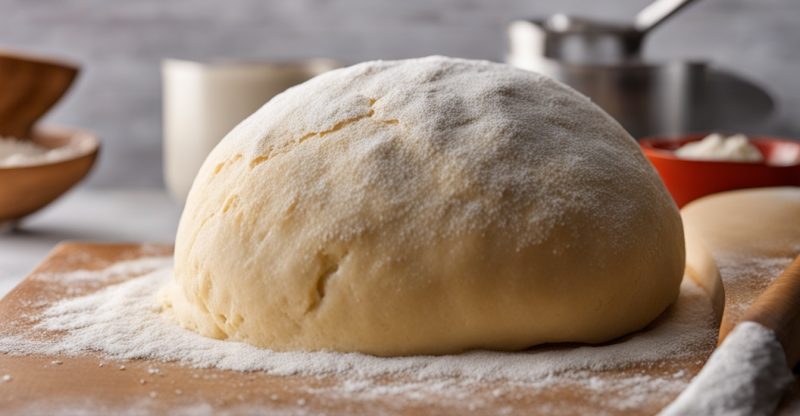


Best Pizza Dough Recipe: Perfecting the Crust at Home
Making the best pizza crust at home might seem hard. But, with a simple pizza dough recipe, you can do it. It uses just six ingredients. This dough is tasty and works well for any type of pizza. Use instant yeast from Red Star for the best results1.
Warm water between 100-110°F helps the dough rise faster. You’ll need 3 and 1/2 cups of unbleached all-purpose flour1. This flour makes a dough that’s stretchy and just a bit sticky. Adding 2 tablespoons of olive oil makes the dough easier to work with1. A little sugar helps the yeast do its job. A sprinkle of cornmeal on the pizza pan keeps the crust from sticking1.
You can make this dough your own by adding garlic powder and Italian seasoning. Each is perfect at 1 teaspoon. Use all-purpose flour for a soft crust. Or, use bread flour for a crispier one. Bake the pizza at high heat for 15 minutes for a perfect crust. This recipe makes dough for two 12-inch pizzas. You can freeze the extra dough for up to 3 months.
Key Takeaways
- Use 1 packet (2 and 1/4 teaspoons) of Red Star instant yeast for best results.
- Mix warm water between 100-110°F with the dough to cut down on rise time1.
- The dough requires 3 and 1/2 cups (450g) of unbleached all-purpose flour1.
- Incorporate 2 tablespoons of olive oil for flavor and manageability1.
- Sprinkle cornmeal on the pan to prevent sticking and enhance flavor1.
- Optionally add garlic powder and Italian seasoning for extra flavor1.
- Bake the pizza at a high temperature for around 15 minutes for a crispy crust1.
Introduction to Homemade Pizza Dough
Making your pizza dough is more than just combining flour and water. It’s your canvas for a tasty adventure. Picture eating pizza made from dough you kneaded and baked yourself. It tells a story of your dedication. Plus, with 842 glowing reviews, it’s obvious many are loving this method1. By using everyday ingredients, you transform plain items into a delightful pizza base.
People say this dough can be frozen and still taste great later. This is perfect for anyone who likes to plan meals or have pizza whenever they fancy.
The Importance of a Good Pizza Dough
Great pizza starts with great dough. The secret is getting the ingredients and rise time just right, whether it’s 90 minutes or in the fridge overnight1. The outcome? A crust that’s stretchy, a bit sticky, and easy to handle. This lets you add all sorts of toppings and flavors.
The recipe also notes the nutrition facts. For health-conscious eaters, one serving offers 1691 calories, 65 grams of fat, and 211 grams of carbs2.
Why Make Pizza Dough from Scratch?
There are many good reasons to make dough from scratch. You choose the exact ingredients, so you can avoid any extras you don’t want. And there’s something special about working the dough and then seeing it rise. It’s not just about the taste; it’s an experience. With flour and olive oil, you create a dough with a unique taste.
Baking your dough opens up a world of possibilities. You can make classic pizzas or get creative with rolls, Stromboli, or garlic knots. This means your dough can serve different meals and events, making it super versatile.
| Measurement | Ingredients | Purpose |
|---|---|---|
| 1 and 1/3 cups | Warm Water | Activates Yeast |
| 2 teaspoons | Yeast | Leavening Agent |
| 1 tablespoon | Granulated Sugar | Yeast Activity & Tenderizing |
| 2 tablespoons | Olive Oil | Flavor Enhancement |
| 3 and 1/2 cups | Unbleached All-Purpose Flour | Main Structure |
| 90 mins or overnight | Rise Time | Dough Development |
| 15 minutes | Baking Time | Bake Completion |
| 2 pizzas (12-inch each) | Yield | Final Product |
Ingredients for the Best Pizza Dough
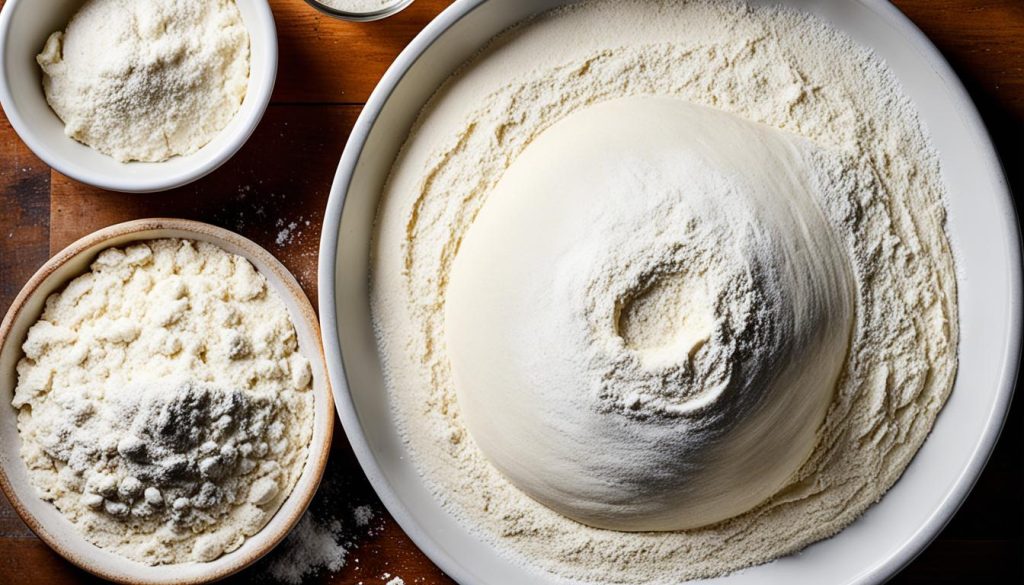
To make the best pizza dough, you need key ingredients. These are simple but crucial. They play a big role in getting the perfect crust.
Essential Ingredients
This recipe needs six main ingredients: yeast, water, salt, flour, olive oil, and sugar. The best yeast is Platinum Yeast from Red Star. Add 2 and 1/4 teaspoons to your mix1.
The water for the yeast should be between 100-110°F. This temperature makes the dough just right. Use 1 and 1/3 cups of warm water and 3 and 1/2 cups of all-purpose flour. But you can use bread flour for a crispy crust13.
If you’re looking for an easier recipe, use 2 to 2 ⅓ cups of flour with 3/4 cup warm water. This makes a soft, elastic dough3. Let the dough rise for about 90 minutes before you shape and bake it. This step is important for the dough’s structure.
Optional Add-ins for Extra Flavor
You can also add flavors to your pizza dough. Garlic powder and dried basil make great additions. They enhance the taste3.
Adding cornmeal or other seasonings provides a unique crunch. It makes your dough stand out. These extras are great for adding your personal touch while keeping the base recipe solid.
| Essential Ingredients | Amount |
|---|---|
| All-purpose flour or Bread Flour | 3 1/2 cups or 2-2 1/3 cups |
| Warm Water | 1 1/3 cups or 3/4 cup |
| Instant Yeast | 2 1/4 teaspoons |
| Sugar | 1 1/2 teaspoons |
| Salt | 3/4 teaspoon |
| Olive Oil | 2 tablespoons |
The Best Flour for Pizza Dough
Choosing the right flour for your pizza dough matters a lot. It affects how the crust turns out. The texture and taste of your pizza crust can be soft, chewy, or crispy, depending on the flour you use.
All-Purpose vs. Bread Flour
All-purpose and bread flour are top picks for pizza. All-purpose flour makes the dough softer, giving a tender bite3. But bread flour, which has more gluten, leads to a chewier, slightly crispier crust34. Extra gluten in bread flour comes from its high protein. This makes it tougher and better for a structured crust.
Using Whole Wheat Flour
Whole wheat flour adds a dense, hearty feel to your pizza dough. It’s made from the whole wheat kernel. This gives it a strong, unique flavor. When turned into bread flour, it also has more gluten, making the dough tougher and more elastic4.
For a healthier crust, trying whole-wheat pizza dough could be a good move. This not only adds nutrition but also makes for a different pizza-eating experience.
Playing around with different flours is fun. It lets you pick what you like best. Whether you go for the softness of all-purpose flour or the chew of bread flour, enjoy making and eating your homemade pizzas.
Step-by-Step Guide to Making Pizza Dough
Start a fun cooking journey with an easy pizza dough recipe. This part will show you all the key steps. You’ll make pizza dough that’s just right for your pizza.
Preparing the Ingredients
First, get your ingredients ready. You’ll need Platinum Yeast from Red Star, warm water, all-purpose flour, sugar, olive oil, and salt1. You can also use garlic powder and basil for extra taste3.
Mixing and Kneading the Dough
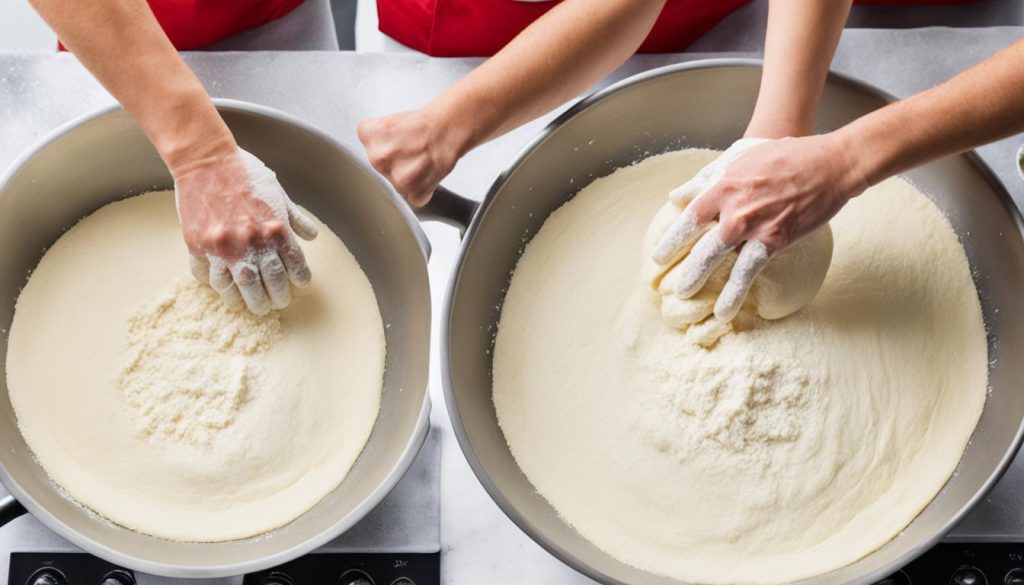
Now, mix your dough ingredients in a big bowl. Use the yeast with the warm water until it bubbles. Then, mix in flour, sugar, salt, and oil. Knead by hand or with a mixer until smooth.
Letting the Dough Rise
After kneading, let it rise in a greased bowl covered with wrap. This can take 1 to 2 hours to double in size. It’s now ready for the next step.
Want to speed things up? Let it rise fast in a warm place for 30 minutes. Getting this step right will make your dough perfect for pizza.
By following these steps, you’ll have top-notch pizza dough. It will be great for adding your favorite toppings and baking into a tasty homemade pizza.
How to Shape and Stretch Pizza Dough
It’s crucial to master shaping and stretching pizza dough for a perfect crust. You can use a rolling pin or your hands. Each way brings a different texture and look.
Using a Rolling Pin vs. Hands
A rolling pin gives beginners precise control for an even thickness and a uniform round shape. It helps make the dough evenly flat. But some say it can make the crust less bubbly, losing its special texture.
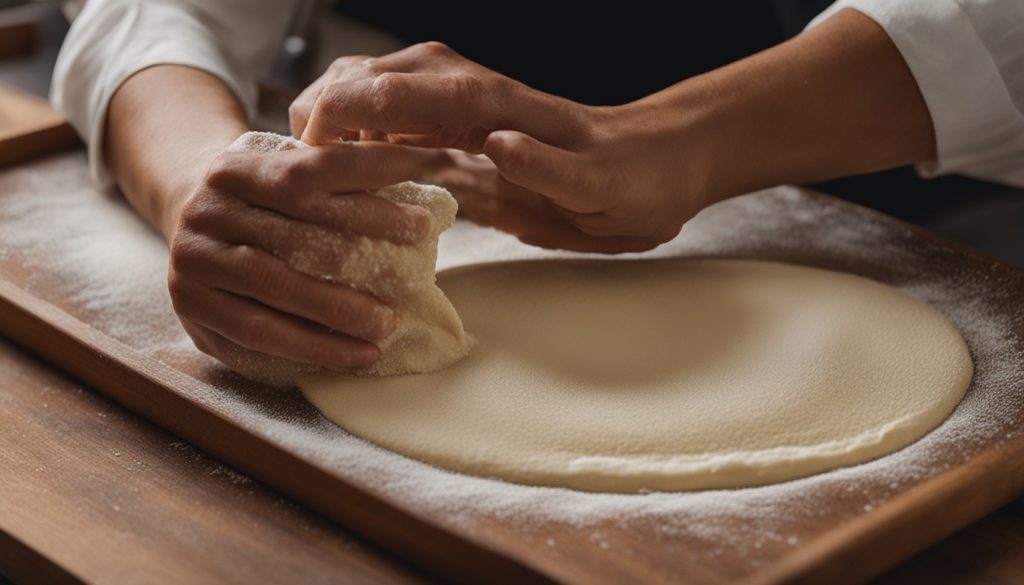
Stretching the dough by hand keeps more air bubbles. This makes the crust light and airy. It takes 5 to 10 minutes to stretch it. The result should be a 10 to 12-inch pizza, depending on the variation you do5. You’ll press, flip, and gently pull the dough to size, giving it a natural, rustic look6.
Tips for Achieving the Perfect Shape
To get the best shape, start by dividing your dough into small balls. Do this after letting it rise. It makes the dough easier to shape and stretch evenly6.
Then, proof the dough in oiled containers at the right temperature as the recipe says. Proofing in different containers is handy6. It makes the dough easier to handle. When ready to shape, flour the work surface and dough. This prevents stickiness, helping you stretch it out well.
If you choose to hand stretch, let gravity help. Hold the dough’s edge and let it stretch on its own. This method ensures a balanced crust and center5. If you’re stretching on the counter, avoid tearing by gently pulling. If it does tear, pinch it back together and pause for a bit before continuing to stretch5.
Finally, after shaping, move your dough to a pizza peel before adding toppings. This step prevents it from sticking. It makes preparing and baking your pizza a smooth process, resulting in a beautiful and delicious dish.
Baking the Perfect Pizza Crust
To get the best pizza crust, start by preheating your oven. It’s key to make sure your oven is hot enough. A temperature of 400 degrees Fahrenheit is perfect for cooking the crust through and making it nice and golden7.
Preheating the Oven
Preheating helps the dough bake right away. This makes the crust crisp on the outside. If you pre-bake the crust for 4-5 minutes before adding toppings, it won’t get soggy8.
Baking Time and Temperature
The time your pizza sits in the oven and the heat is very important. Normally, 10-15 minutes at 400 degrees Fahrenheit works well for most pizzas7. But, more or less time might be needed based on toppings. Always use an oven thermometer to make sure your oven is truly hot. This helps avoid crusts that are too hard or not cooked enough.
Tips for Serving and Storing Pizza Dough
Your journey with homemade pizza continues even after baking. It’s crucial to know how to serve and store pizza dough. This ensures you can enjoy every slice as much as the first.
Best Practices for Serving
For perfect pizza dough, serving it right is important. Let your pizza rest a bit after baking. This pause helps the crust turn out just right. It keeps the crust light and full of flavor thanks to a slow rise in the fridge for up to 72 hours9.
Also, dough benefits from resting at room temperature before shaping. This makes the crust even better.
Storing Leftover Dough
To keep dough fresh, store it right. If you’ll use it within a few days, pop it in the fridge. There, it stays good for 3-5 days.
If you want to save it for longer, freezing works well. You can freeze homemade dough for up to 3 months, and store-bought for up to 6 months9. Make sure it’s well-wrapped. To use it from the freezer, thaw it in the fridge, then let it come to room temperature before using.
These tips are handy for enjoying pizza right away or saving some for later. They help keep your homemade pizzas tasting their best. With these steps, dealing with leftover dough will be easy. You’ll keep enjoying your homemade pizzas for many days.
| Storing Method | Duration | Special Tips |
|---|---|---|
| Refrigerator | 3-5 days | Check for spoilage signs before use9 |
| Freezer | Homemade: Up to 3 months Store-bought: Up to 6 months |
Use airtight containers or tightly wrap in plastic9 |
Common Mistakes to Avoid When Making Pizza Dough
To make a great pizza crust at home, avoid some usual mistakes. One big mistake is skipping the 24-hour fridge rest for the dough10. This rest time makes the dough tastier. Also, you need to knead the dough for 10 to 12 minutes for the best texture10. Some people don’t knead long enough, which makes the dough not hold together well11.
Another mistake is using a rolling pin to flatten the dough. This makes the crust less airy and more tough1011.
To get a perfect crust, don’t put too many toppings on it. Too many toppings can make the pizza soggy10. LIg in fact; toppings work better. Plus, baking the pizza five minutes longer helps the dough cook all the way10.
It’s very important to measure the dough ingredients right. Guessing on how much to use can make the dough turn out wrong11. Using ’00’ Italian flour is good if you’re aiming for a Neapolitan-style pizza11. For this type of pizza, let the dough sit for 30 minutes after making it. This helps get the right texture11
If you’re using a wood-fired pizza oven, it gets much hotter than an electric one12. This difference changes how the pizza tastes and feels in the end. Knowing these common dough mistakes and tips can improve your pizza-making. Enjoy the journey of making and eating your pizzas more.
Pizza Dough
As you look back on your journey perfecting the best pizza dough, you see its value. You’ve learned about different flour types and how much water they need. For example, Italian 00 flour needs 55%-60% hydration, but high-gluten bread flour needs 70%-75%.
Trying recipes by famous chefs has enhanced your dough-making skills. You might have tested Martha Stewart’s recipe and found it to be okay with a 4.5/1013. Or, you’ve explored Bobby Flay’s, which also got a good rating but uses a unique method13. Alton Brown’s recipe perhaps stood out with an 8/10 score for taste and texture13. And Roberta’s recipe may be the best you tried, earning a perfect 10/1013.
Understanding dough preparation and the role of water and fermentation is key. You can choose a yeast-leavened dough for great flavor or a quick one for busy days14. By improving your dough-making techniques and using more water, you can enhance flavor and structure. This boosts your baking abilities14.
Now, you have mastered pizza dough and can get creative in the kitchen. With your newfound skills, you can make pizzas that are as good as those from top pizzerias. Making a perfect pizza crust at home is rewarding. Enjoy the many great pizza nights to come!
FAQ
What are the essential ingredients for homemade pizza dough?
Can I use whole wheat flour for pizza dough?
How do I mix and knead the pizza dough?
How long should I let the dough rise?
How do I shape and stretch the pizza dough?
What temperature should I preheat my oven to for baking pizza?
How can I store leftover pizza dough?
What are some common mistakes to avoid when making pizza dough?
Can I make the pizza dough ahead of time?
How do different flours affect the texture of pizza crust?
Source Links
- https://sallysbakingaddiction.com/homemade-pizza-crust-recipe/
- https://tasty.co/recipe/pizza-dough
- https://sugarspunrun.com/the-best-pizza-dough-recipe/