




10 Essential Chopping Boards: Wood, Glass, and More
10 Essential Chop Boards: Wood, Plastic, Glass, and More
Chopping boards come in various materials, each with its perks and quirks. Whether you’re a seasoned home cook or just starting, understanding the differences between wood, plastic, and glass boards can make cooking more enjoyable and efficient. Let’s break down the options so you can find the perfect fit for your kitchen!
Impact of Chopping Boards on Knife Maintenance
 e
e
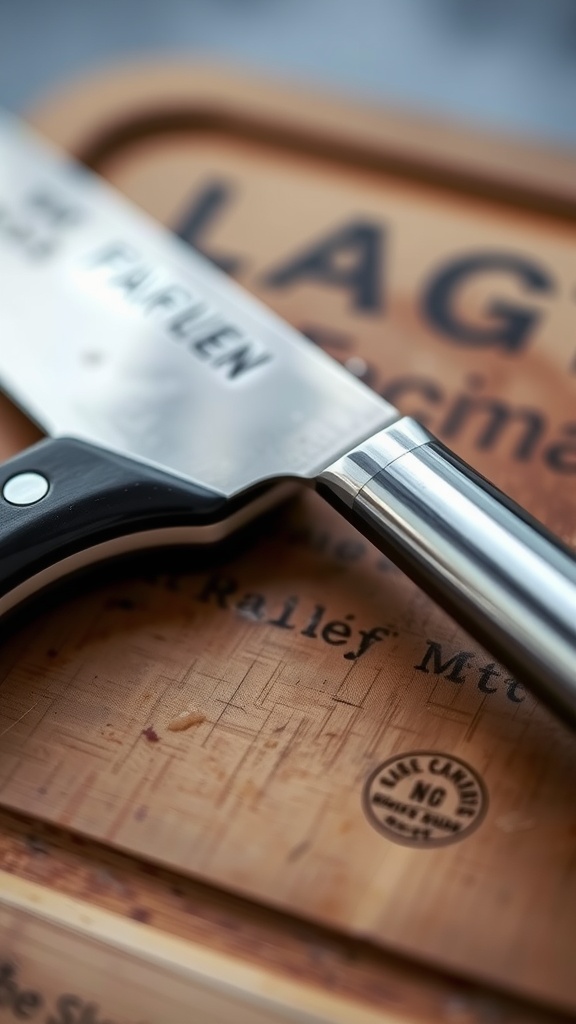
Choosing the right chopping board can greatly affect your knife’s lifespan. In the image, a well-crafted knife rests on a wooden chopping board. The wood’s surface has visible grooves from regular use, which can impact how the knife performs over time.
Wooden boards, like the one shown, are generally gentler on knives than glass or plastic. They provide a bit of give, allowing the blade to glide smoothly without dulling as quickly, which is essential for maintaining sharpness.
On the other hand, plastic boards can be easier to clean but may cause more wear on knife edges. Glass, while visually appealing, is the harshest on blades and can lead to quicker dulling. The choice of a chopping board matters for keeping knives in top shape.
So, when cooking, think about the surface you’re using. It can save you time and effort in maintaining those sharp blades!
Choosing the Right Size for Your Needs
 t
t
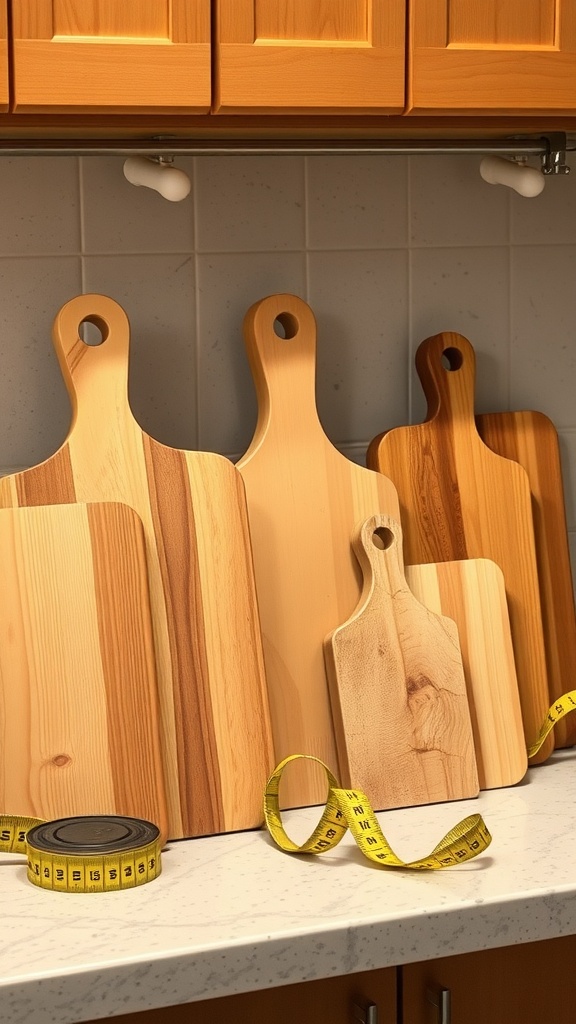
When picking out a chopping board, size matters! The image shows a variety of wooden chopping boards in different shapes and sizes, which is a great starting point. The measuring tape curled around the counter highlights the importance of knowing your space and needs.
A smaller board is perfect for quick tasks like chopping herbs or slicing small vegetables. It’s easy to store and handle. In contrast, a larger board is ideal for meal prep, allowing more room for cutting meats or larger fruits and veggies. Think about the recipes you often make and choose accordingly.
Also, consider your kitchen space. If you have limited counter space, a smaller board is a smart choice. But if you love hosting or cooking larger meals, a bigger board might be what you need. Having a few different sizes can cover all your bases!
Stylish Chopping Board Designs for Your Kitchen
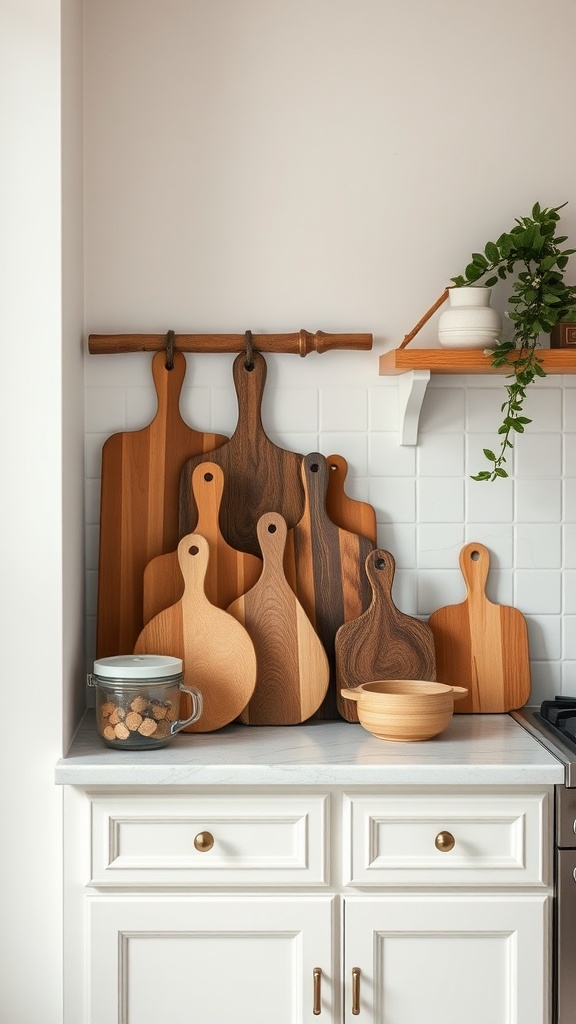
Chopping boards come in various materials, but wood designs have a classic charm that elevates any kitchen. This image showcases a collection of beautifully crafted wooden chopping boards displayed against a clean, white tiled backdrop. The warm tones of the wood create a cozy feel, making them a perfect addition to your kitchen decor.
The different shapes and sizes of these boards add visual interest. Some are round, while others are traditional rectangles, giving you options for various tasks. Whether you’re slicing vegetables or serving cheese, having multiple boards on hand can be both practical and stylish.
Incorporating these wooden boards into your kitchen not only serves a functional purpose but also adds an aesthetic touch. They are easy to maintain and can last for years if cared for properly, making them a sustainable choice for your culinary adventures.
Don’t forget to complement these boards with other kitchen elements. The glass jar filled with small items and the wooden bowl nearby enhance the rustic vibe. This harmonious blend of materials ensures your kitchen is both beautiful and functional.
Advantages of Wooden Chopping Boards
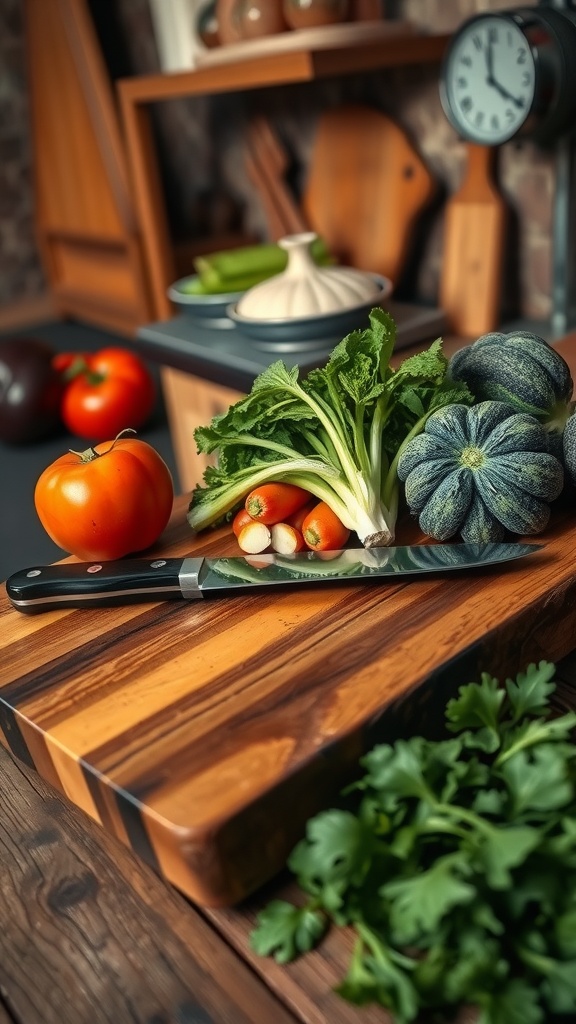
Wooden chopping boards have a charm that’s hard to beat. Just look at the rich colors and patterns in the image above! They bring a warm and inviting feel to any kitchen. Made from various types of wood, these boards are not only practical but also add aesthetic appeal to your cooking space.
One key benefit of wooden chopping boards is their durability. They can withstand heavy use over time, which makes them a favorite among home cooks and professional chefs alike. Unlike plastic boards, wooden ones are less likely to warp and can be sanded down to remove scratches.
Another advantage is that wooden boards are gentler on your knives. They can help keep your blades sharper for longer, which is a win when you’re chopping fresh veggies like the ones in the photo. Plus, wood has natural antibacterial properties that help keep your food safe.
If you’re concerned about maintenance, a wooden board only needs occasional oiling to keep it in good shape. Simple, right? So, if you want a reliable and beautiful addition to your kitchen, a wooden chopping board is worth considering.
Durability of Plastic Chopping Boards
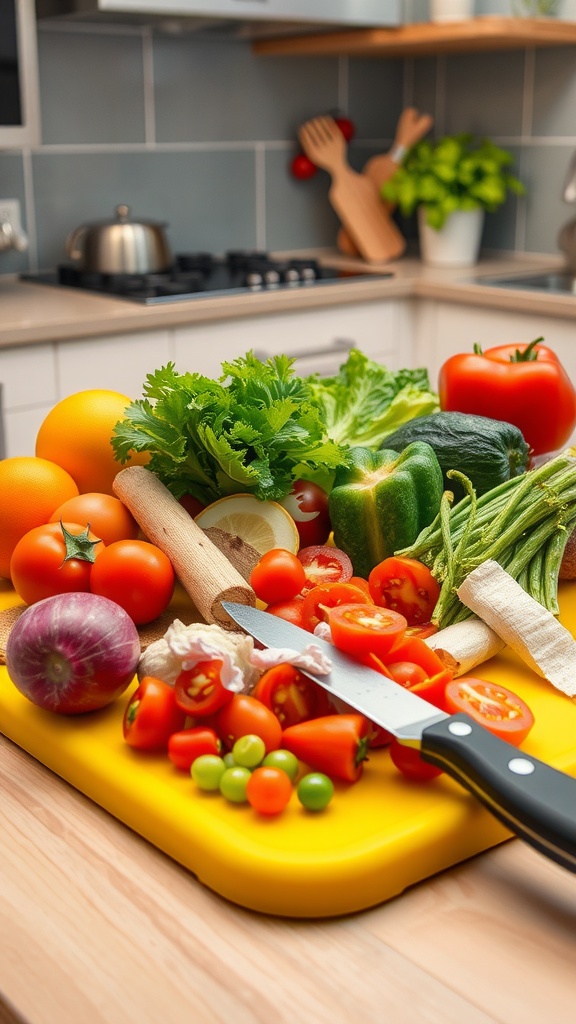
Plastic chopping boards are popular in kitchens for good reasons. They are lightweight and easy to handle. The bright yellow board in the image highlights a vibrant workspace filled with fresh vegetables. This colorful setup invites creativity in meal preparation.
One of the biggest advantages of plastic boards is their durability. They resist cracking and chipping, making them a reliable choice for daily use. Unlike wood, plastic boards can withstand harsh cleaning methods. You can toss them in the dishwasher without worrying about damage.
Moreover, plastic chopping boards are less porous than wood, which means they don’t harbor bacteria as easily. This feature is crucial for food safety, especially when working with raw meats and vegetables. Regular cleaning and proper care can keep them looking fresh and new.
In summary, plastic chopping boards offer a great balance of durability and functionality. They are perfect for anyone looking to streamline their cooking experience while ensuring safety in the kitchen.
Glass Chopping Boards: Pros and Cons
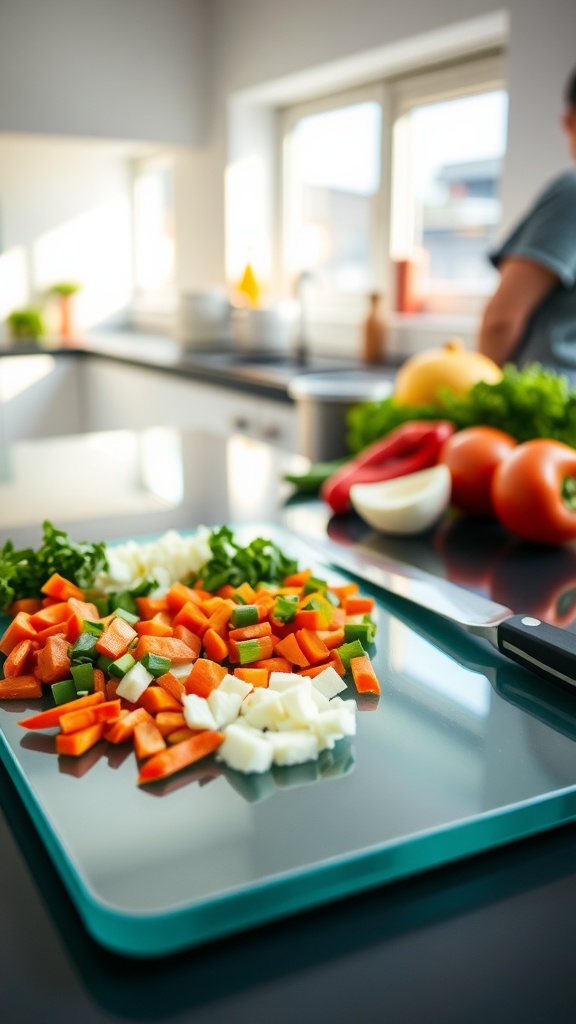
Glass chopping boards are trendy and sleek, adding a modern touch to any kitchen. In the image, you can see a vibrant array of chopped vegetables on a glass surface, showing how these boards can be both functional and stylish. The bright colors of the carrots, green bell peppers, and onions pop against the smooth glass, making prep work feel a little more special.
One of the main advantages of glass chopping boards is that they are non-porous. This means they won’t absorb juices or odors from food, making them easy to clean. A quick rinse with soap and water is usually enough to keep them looking fresh. Plus, they are often safe for the dishwasher, which adds to the convenience.
On the flip side, glass boards can be slippery. If you’re chopping quickly, you may find your ingredients sliding around. This can be a bit frustrating, especially with softer vegetables. Another consideration is that glass can chip or shatter if dropped, so careful handling is key.
When it comes to knife care, glass boards can dull your knives faster than wood or plastic. If you’re using high-quality chef knives, you might want to be cautious about using them on glass.
In conclusion, glass chopping boards can be a great choice for those who appreciate their aesthetic appeal and easy cleanup. Just keep in mind the trade-offs in terms of stability and knife maintenance.
Eco-Friendly Alternatives in Chopping Boards
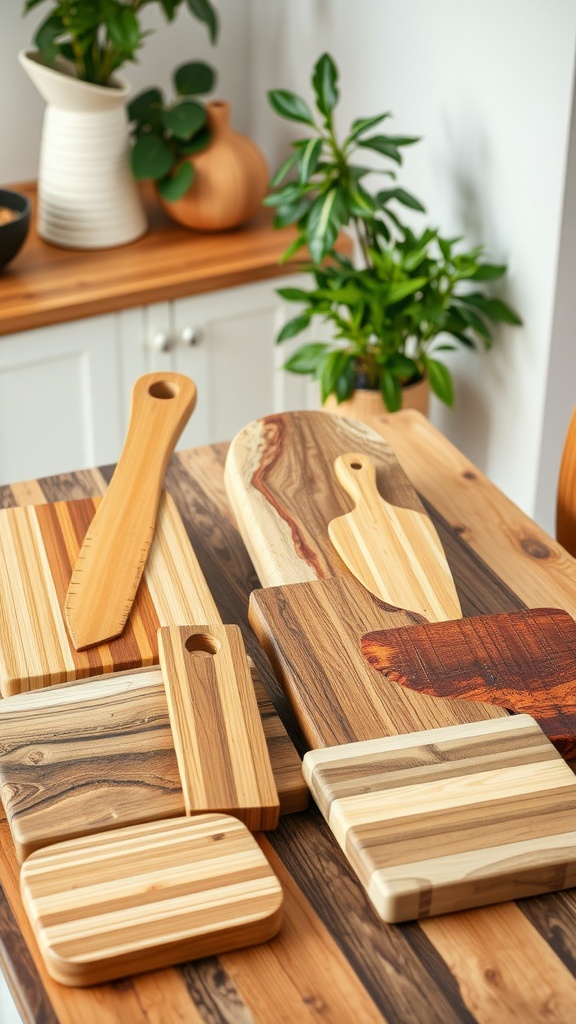
When it comes to kitchen essentials, chopping boards play a key role. The image shows a beautiful collection of wooden boards. These boards not only look great but also serve practical purposes. Each piece has its unique grain and color, showcasing the natural beauty of wood.
Wooden chopping boards are a popular, eco-friendly choice. They are made from renewable resources, making them a sustainable option compared to plastic boards. Unlike plastic, which can take hundreds of years to decompose, wooden boards can break down naturally over time.
Using wood for chopping boards has its benefits. They are less damaging to knife blades, ensuring your knives stay sharper for longer. Plus, they have antibacterial properties that help keep your food prep area clean. The image captures the essence of this, with the natural textures and patterns of the wood.
There are also some fantastic alternatives to traditional wood. Bamboo boards have gained popularity as they grow quickly and are very durable. They are lightweight and easy to clean, making them a great option for busy kitchens.
Consider the impact of your choices when selecting a chopping board. Opting for eco-friendly materials can contribute to a healthier planet. Whether you’re preparing a simple salad or a full-course meal, a good chopping board can enhance your cooking experience.
Sanitizing and Maintaining Different Materials
 pt
pt
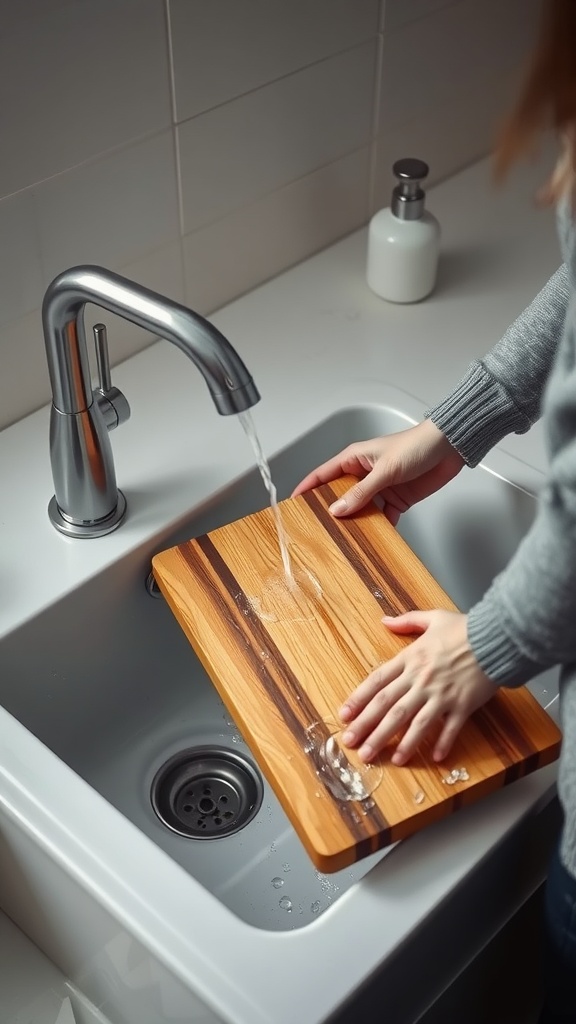
Chopping boards are an essential part of any kitchen. This image shows a person washing a wooden chopping board under running water. It’s a great reminder of how important it is to keep your boards clean.
Wooden boards, like the one in the picture, need special care. After chopping, rinse them with warm water and use a mild soap. Avoid soaking them, as this can cause warping. Make sure to dry them right after washing to prevent moisture buildup.
Plastic boards are a bit different. They can go in the dishwasher, making them easier to sanitize. However, they can scratch over time, which might harbor bacteria. Regularly inspect them and replace them if they show wear.
Glass boards are durable and easy to clean. They can handle hot items and are non-porous. Just wash them with soap and water. However, be careful not to drop them, as they can shatter.
For all materials, sanitizing is key. A solution of vinegar and water works wonders. Use it regularly to keep your boards safe and in good shape. This way, your chopping boards will last longer and stay hygienic!
Food Safety Considerations with Chopping Boards
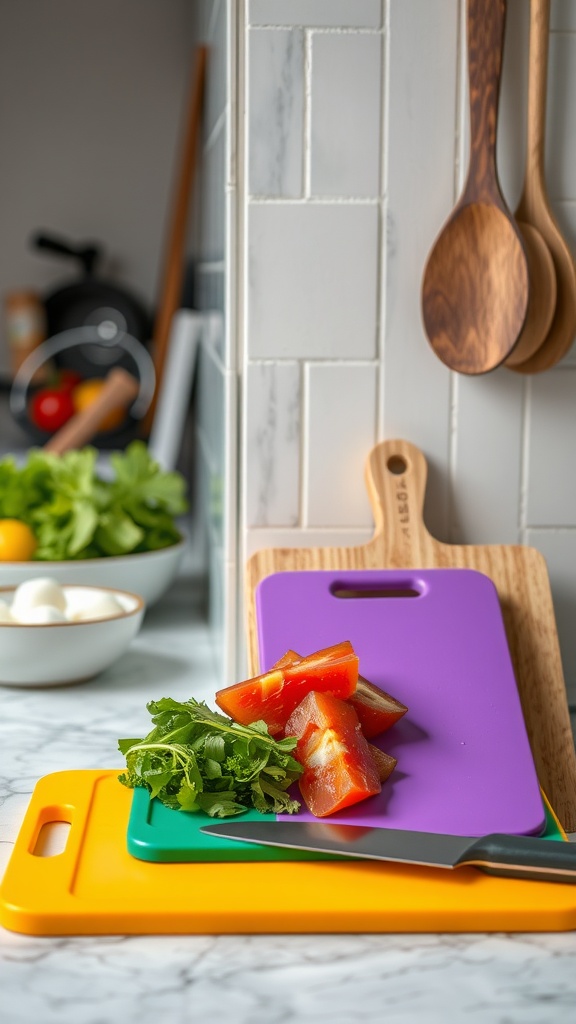
When it comes to chopping boards, the materials you choose can significantly impact food safety. In the image, we have a colorful array of plastic boards alongside a wooden one, showcasing a practical kitchen setup. Each type of board has its pros and cons.
Plastic boards are often favored for their ease of cleaning. They can usually go in the dishwasher, making them a great choice for busy cooks. However, they can develop deep grooves over time where bacteria might hide. Regularly replacing or sanitizing them is key.
Wooden boards, seen here in the background, have a natural antimicrobial property. They can be gentler on knives and offer a classic look. Still, they require more maintenance. Washing with soap and water, followed by oiling, helps keep them in top shape.
In this vibrant kitchen, the use of colorful boards suggests a good practice: assign specific boards for different food types. For instance, use one for vegetables and another for meats. This simple step helps prevent cross-contamination, keeping your meals safe and delicious.
Innovative Chopping Board Features
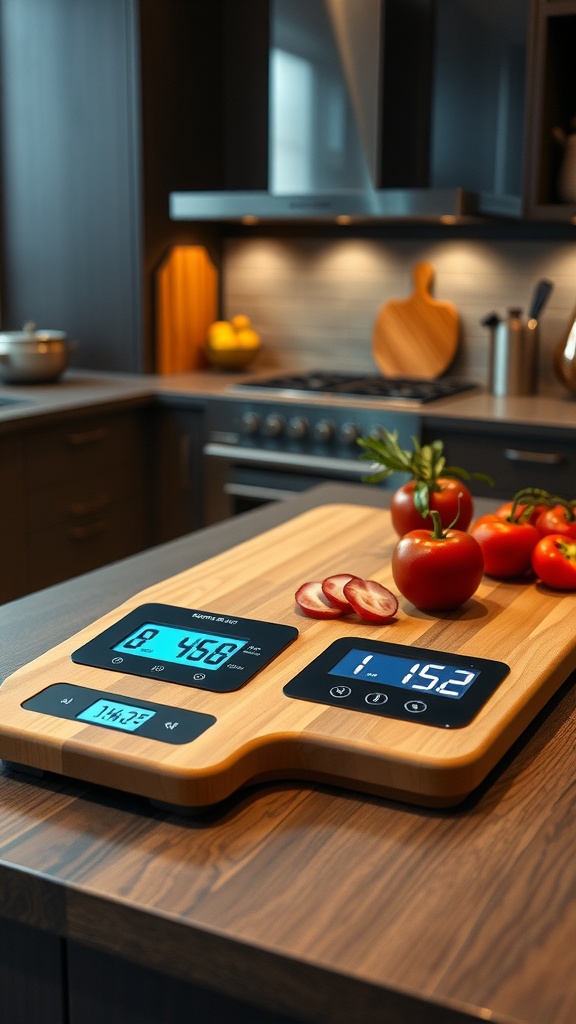
Chopping boards have come a long way from the traditional wooden and plastic options. Today, we’re seeing some exciting innovations that not only make food prep easier but also add a touch of tech to our kitchens.
The image showcases a modern chopping board equipped with digital features. This unique board includes a built-in scale and timers, making it perfect for those who love to cook with precision. No more guessing how much you’ve chopped or how long you’ve been cooking!
On one side, you can see the weight display, perfect for measuring ingredients. This feature is a game-changer for recipes that require exact quantities. The timer on the other side ensures you don’t lose track of your cooking time. It’s like having a sous-chef right on your counter!
With sleek lines and a warm wood finish, this chopping board isn’t just functional; it looks great too. It fits nicely into modern kitchen aesthetics, complementing other appliances. Plus, it offers easy cleanup compared to traditional boards.
Incorporating technology into everyday tools makes cooking more enjoyable and efficient. Whether you’re a novice cook or a seasoned pro, these innovative chopping boards bring a fresh take on meal prep.
