




15 Secret Chef Tips for Better Home Cooking
15 Secret Chef Tips That Will Transform Your Home Cooking
Most people think restaurant food tastes better because chefs use expensive ingredients. That’s rarely true. The real difference is technique — tiny decisions made every minute in professional kitchens that quietly build flavor, texture, and depth.
The truth is, many chefs cook very differently at home than recipe books suggest. They rely on instinct, heat control, timing, seasoning, and a handful of professional techniques that make simple food unforgettable. Once you understand these chef cooking tips for home kitchens, even a basic chicken breast or pan of roasted vegetables can taste restaurant-worthy.
Why Professional Chefs Cook Differently at Home
Professional kitchens are built around efficiency, precision, and consistency. Chefs don’t just follow recipes — they build layers of flavor using mise en place, controlled heat, seasoning at multiple stages, and texture contrast.
That’s why restaurant-quality meals often taste richer, brighter, crispier, and more balanced than home-cooked versions made from the same ingredients. The good news? You don’t need culinary school or a commercial kitchen to cook like this. You need a few insider habits.
Below are the chef cooking tips for home cooks that create the biggest difference.
Chef Cooking Tips for Home Kitchens
1. Salt in Layers, Not Just at the End
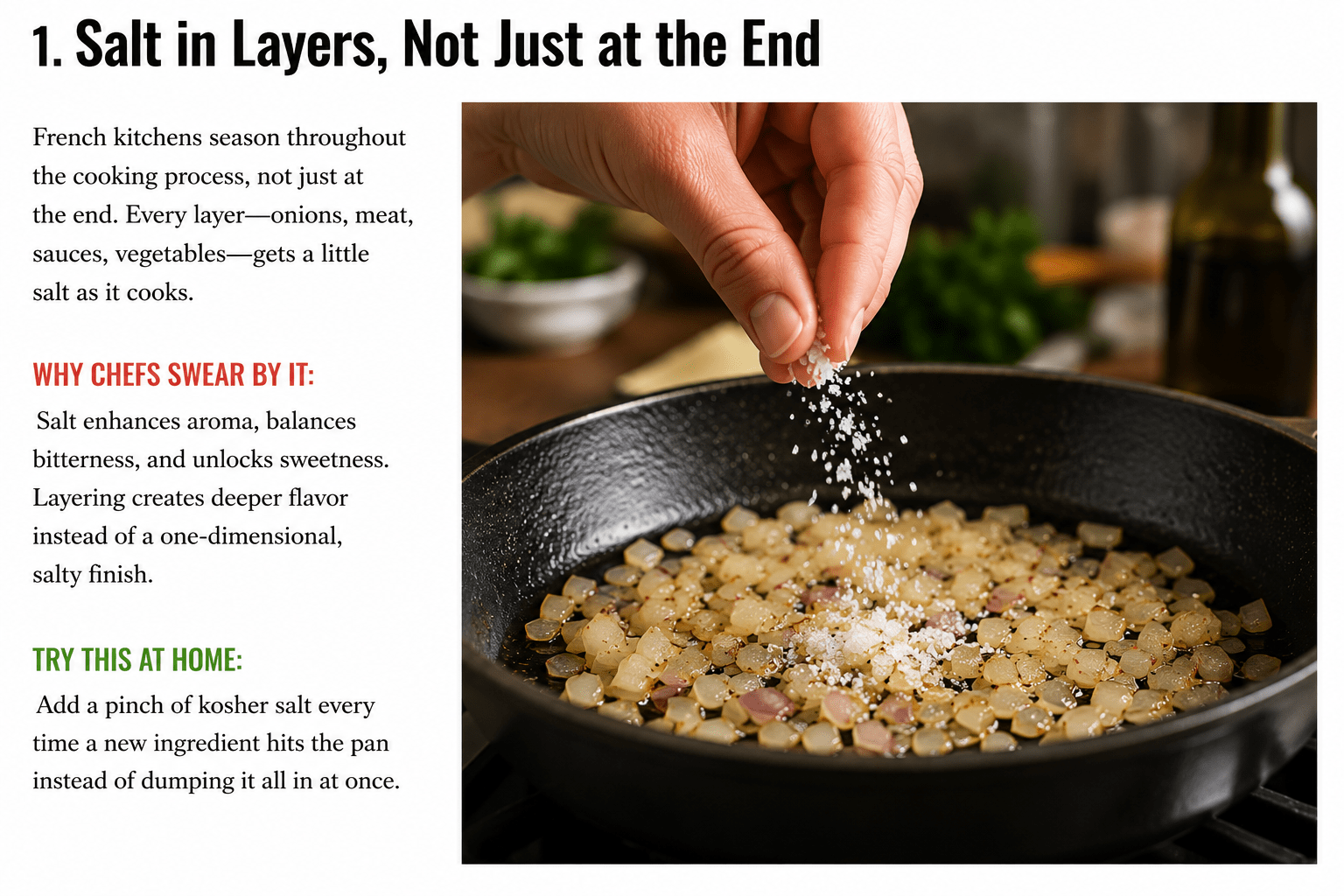
French brigade kitchens teach cooks to season throughout the cooking process, not after the dish is finished. Every layer — onions, proteins, sauces, vegetables — gets a small amount of seasoning as it cooks.
WHY chefs swear by it: Salt doesn’t just make food salty. It enhances aroma, balances bitterness, and unlocks hidden sweetness. Layering creates a deeper flavor rather than a flat, salty finish.
Try this at home: Add a pinch of kosher salt each time a new ingredient hits the pan, rather than dumping it all in at once.
2. Secret Chef Tips: Dry Your Protein Before Cooking
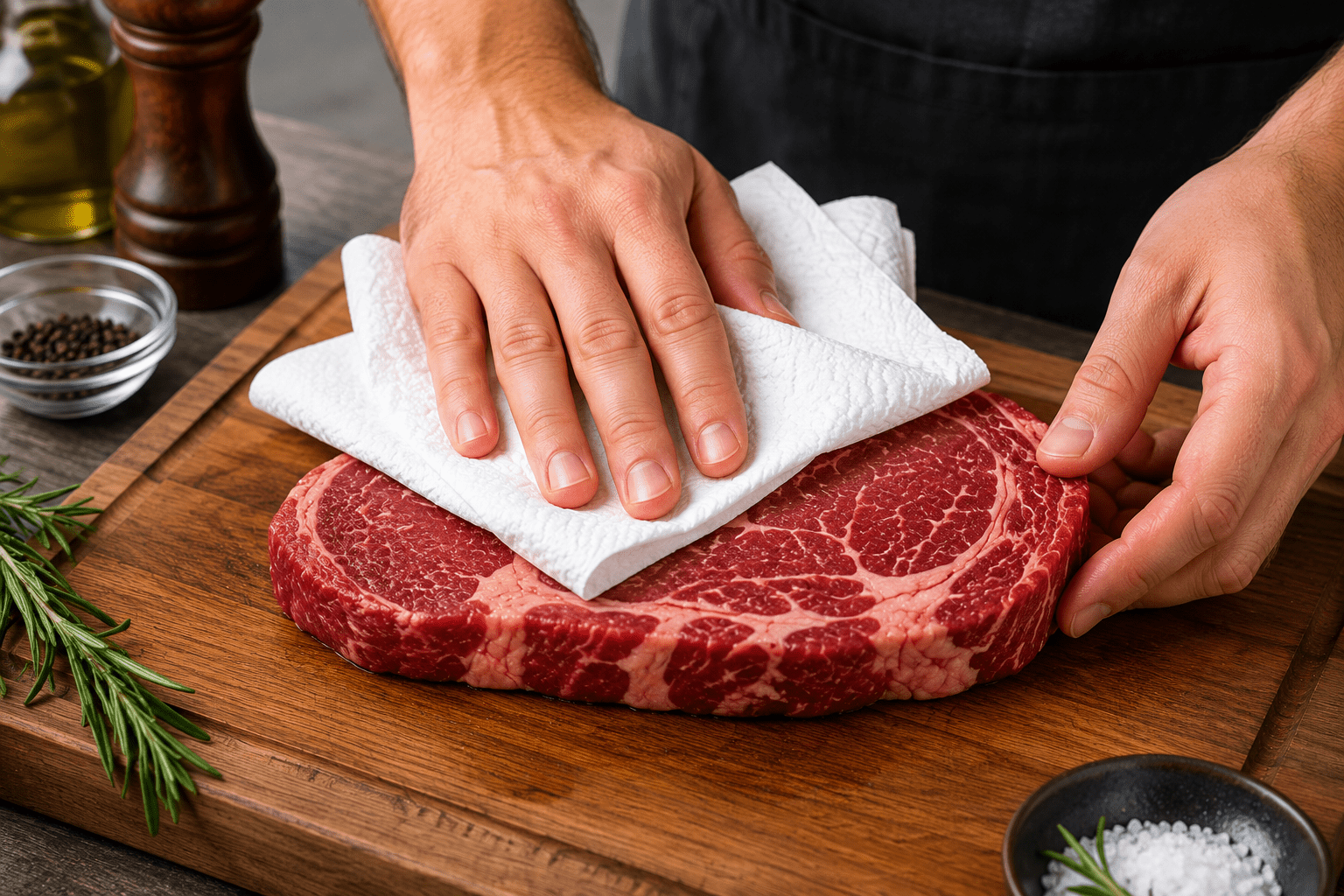
One of the most overlooked kitchen hacks is moisture control. In steakhouses and professional kitchens, chefs pat proteins completely dry before they touch heat.
WHY chefs swear by it: Water creates steam. Steam prevents browning. A dry surface creates the Maillard reaction — that sizzling crust responsible for deep savory flavor.
Try this at home: Use paper towels to thoroughly dry chicken, steak, fish, or tofu before seasoning and cooking.
3. Secret Chef Tips: Let Your Pan Heat Longer Than You Think
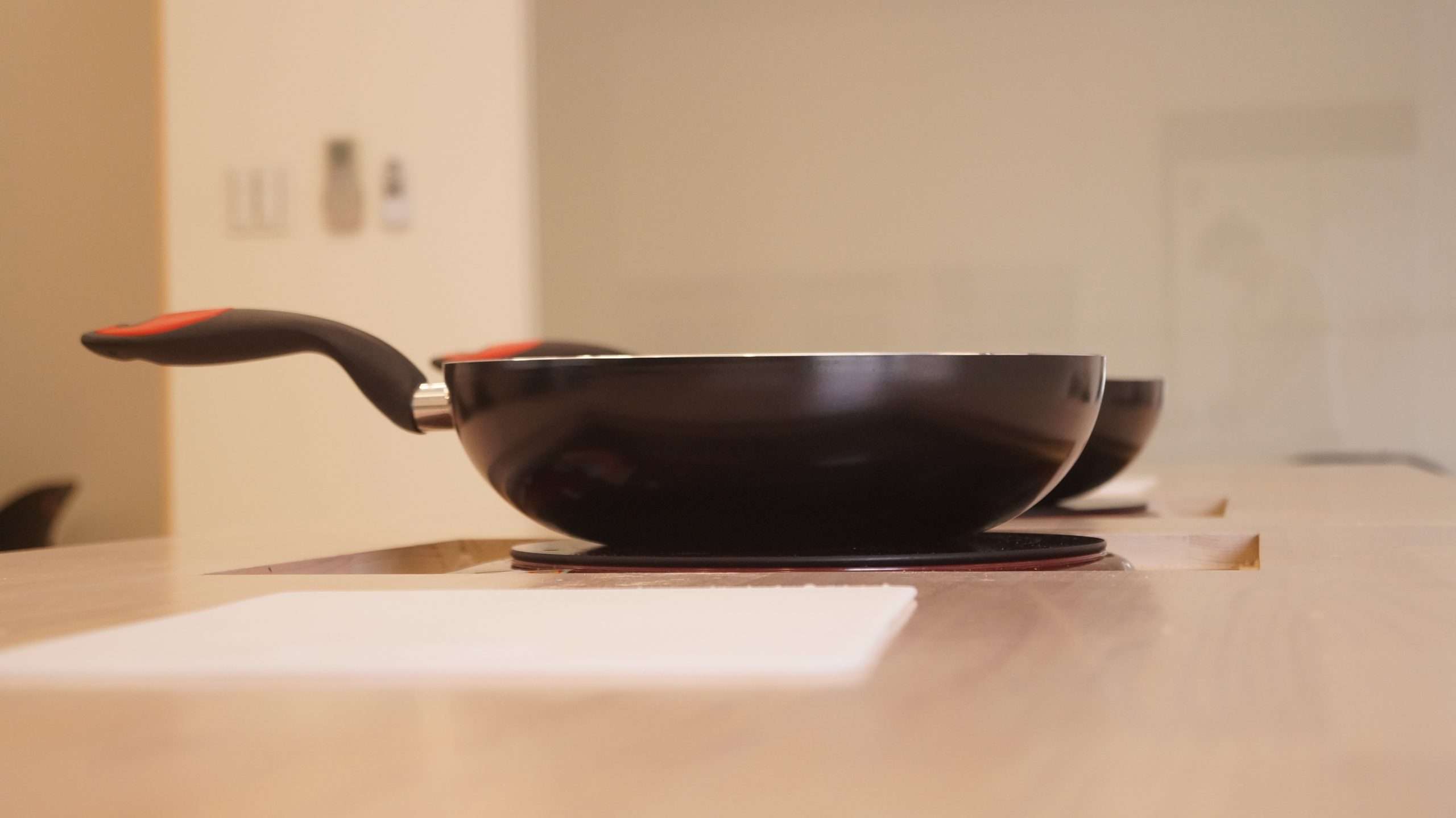
Professional cooks rarely rush the preheat. Whether it’s cast iron or stainless steel, chefs wait until the pan is properly hot before adding oil.
WHY chefs swear by it: Heat control determines texture. A properly heated pan prevents sticking and creates caramelization instead of pale, soggy food.
Try this at home: Heat your pan for 2–3 full minutes before adding oil. If the oil shimmers instantly, you’re ready.
4. Secret Chef Tips: Use Acid Like a Finishing Tool
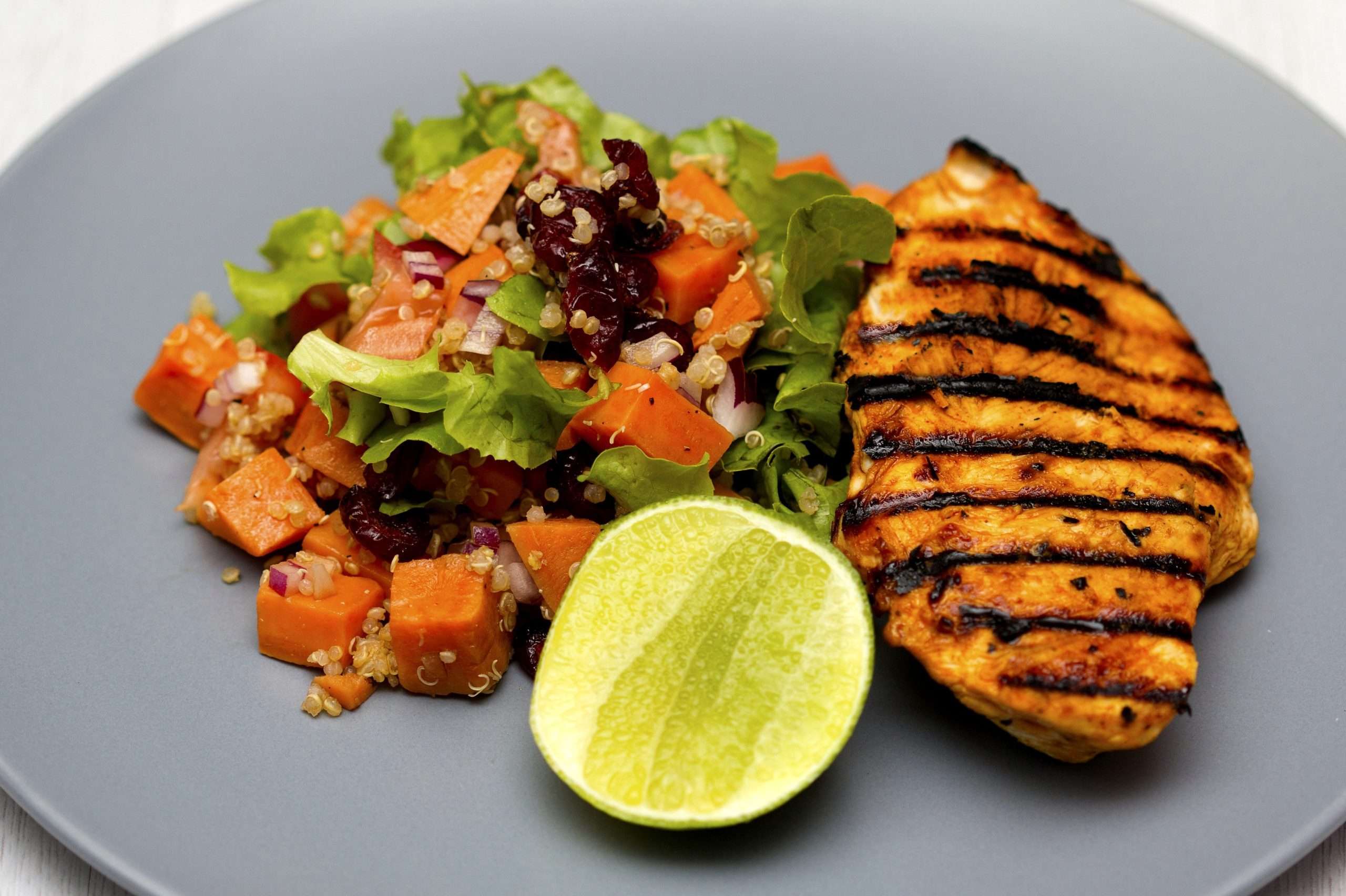
Italian and Mediterranean cooking rely heavily on balancing richness with acidity. A squeeze of lemon or a splash of vinegar at the end can completely transform a dish.
WHY chefs swear by it: Acid wakes up flavors the same way salt amplifies them. It cuts through fat and makes dishes taste fresher and brighter.
Try this at home: Add fresh lemon juice to soups, pasta, roasted vegetables, or grilled meat just before serving.
5. Toast Your Spices First
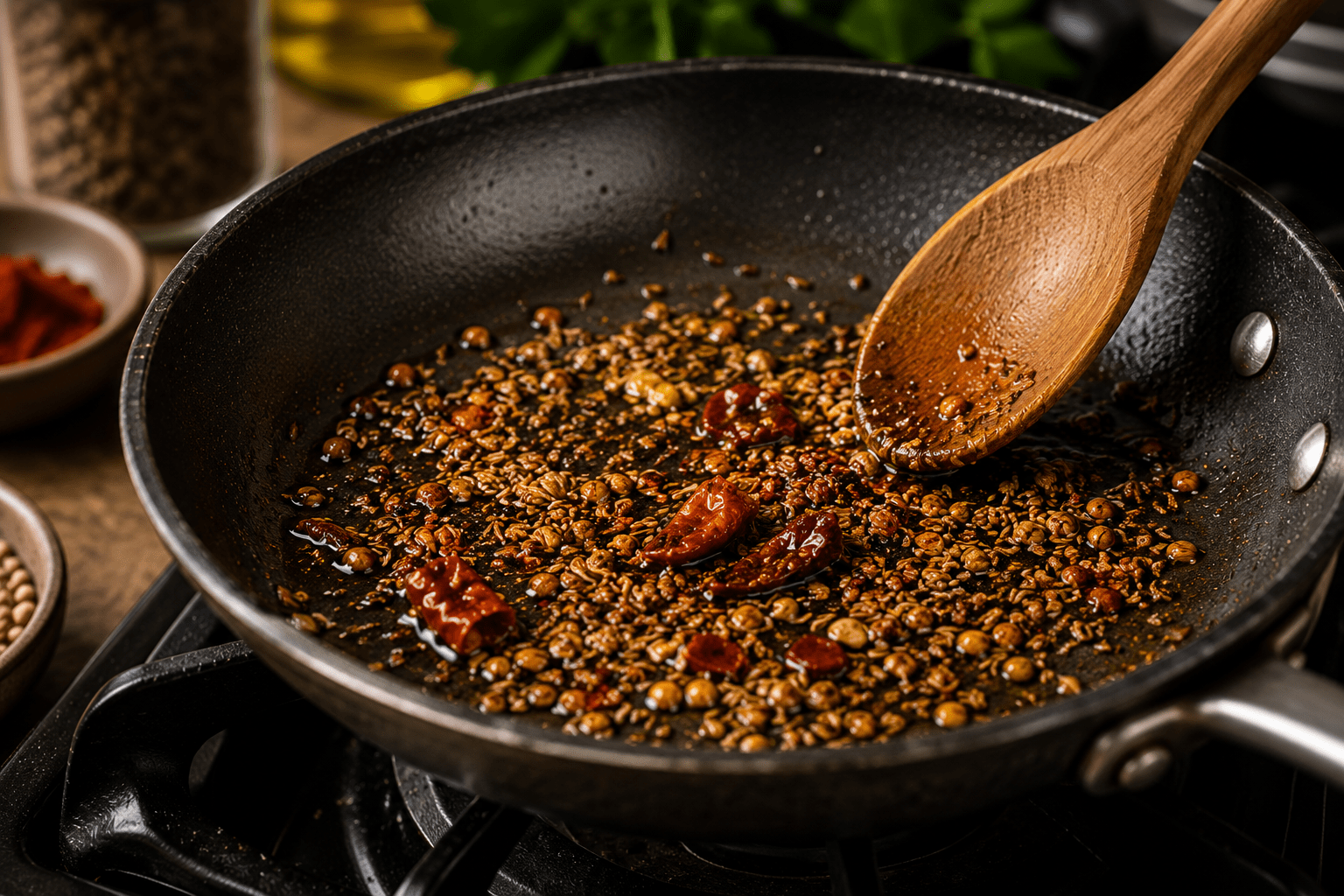
Indian and Middle Eastern culinary traditions build flavor through blooming spices in hot oil before adding liquids.
WHY chefs swear by it: Heat releases aromatic oils trapped inside spices, creating deeper, warmer flavor and richer aroma.
Try this at home: Toast cumin, paprika, coriander, or chili flakes in oil for 20–30 seconds before cooking onions or garlic.
6. Rest Meat Longer Than You Want To
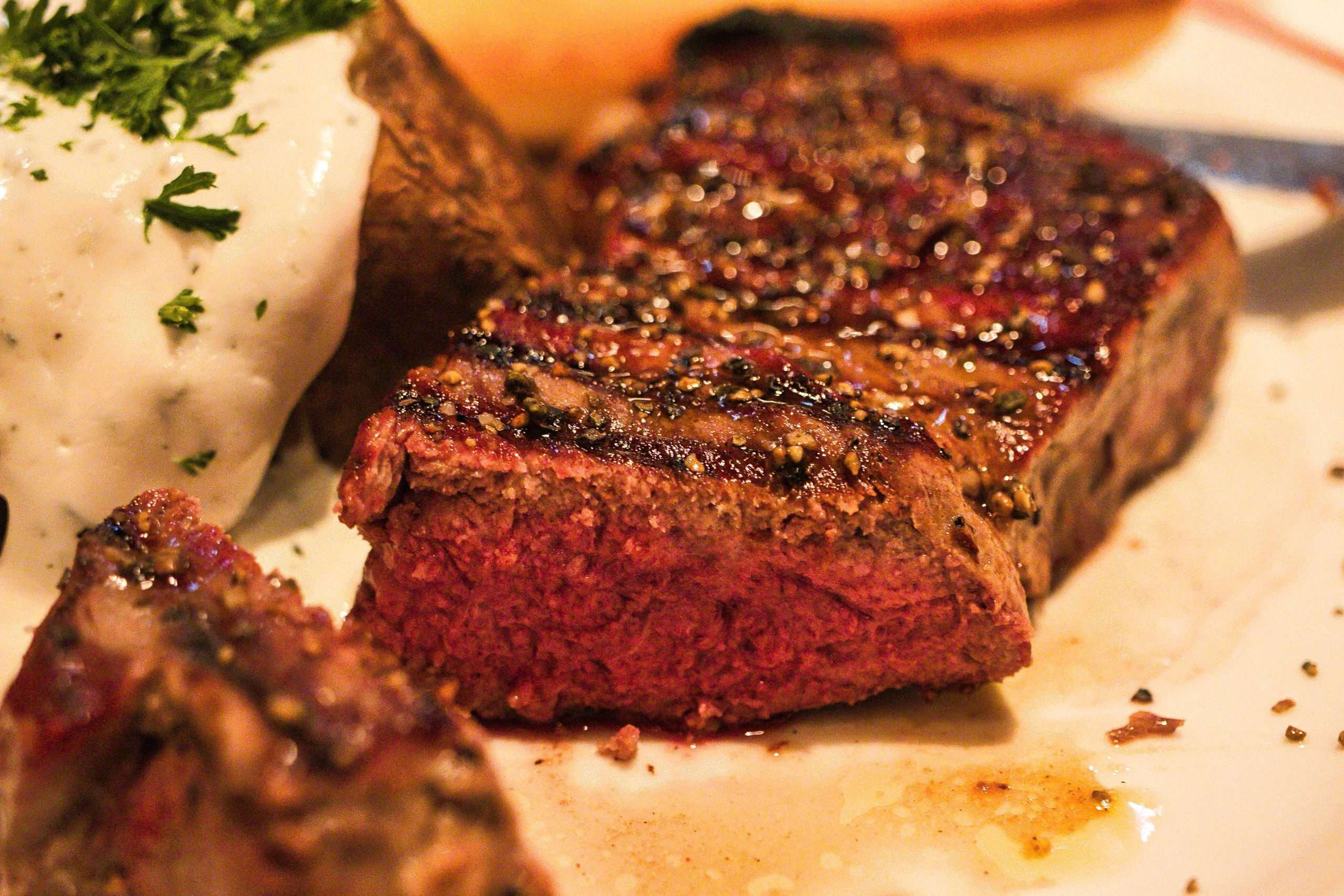
Most home cooks slice meat too soon. In professional kitchens, resting is considered part of the cooking process.
WHY chefs swear by it: Resting allows juices to redistribute through the meat instead of flooding the cutting board.
Try this at home: Rest steaks for 10 minutes and chicken for 5–7 minutes before slicing.
7. Save Pasta Water Like Liquid Gold
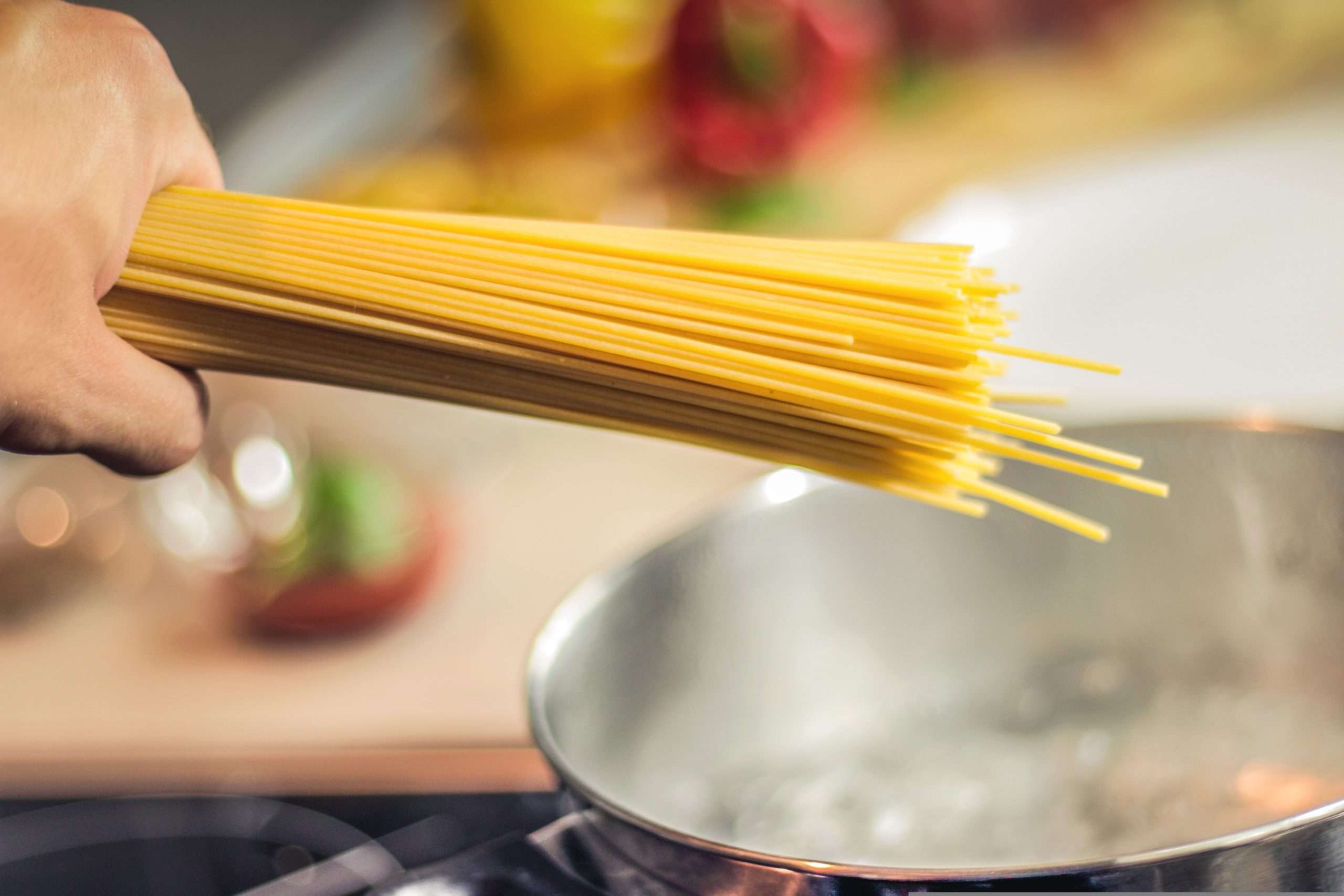
Italian chefs seldom finish pasta with plain sauce alone. Starchy pasta water is the secret emulsifier.
WHY chefs swear by it: The starch helps sauces cling to noodles while creating a glossy, silky texture.
Try this at home: Save 1 cup of pasta water before draining. Add small splashes while tossing pasta and sauce together.
8. Use High Heat for Vegetables
Restaurant vegetables taste better because chefs roast aggressively. Professional kitchens use extremely high oven temperatures to develop caramelization.
WHY chefs swear by it: High heat concentrates natural sugars and creates crispy edges with tender centers.
Try this at home: Roast vegetables at 425–450°F instead of lower temperatures.
9. Grate Cold Butter Into Dough
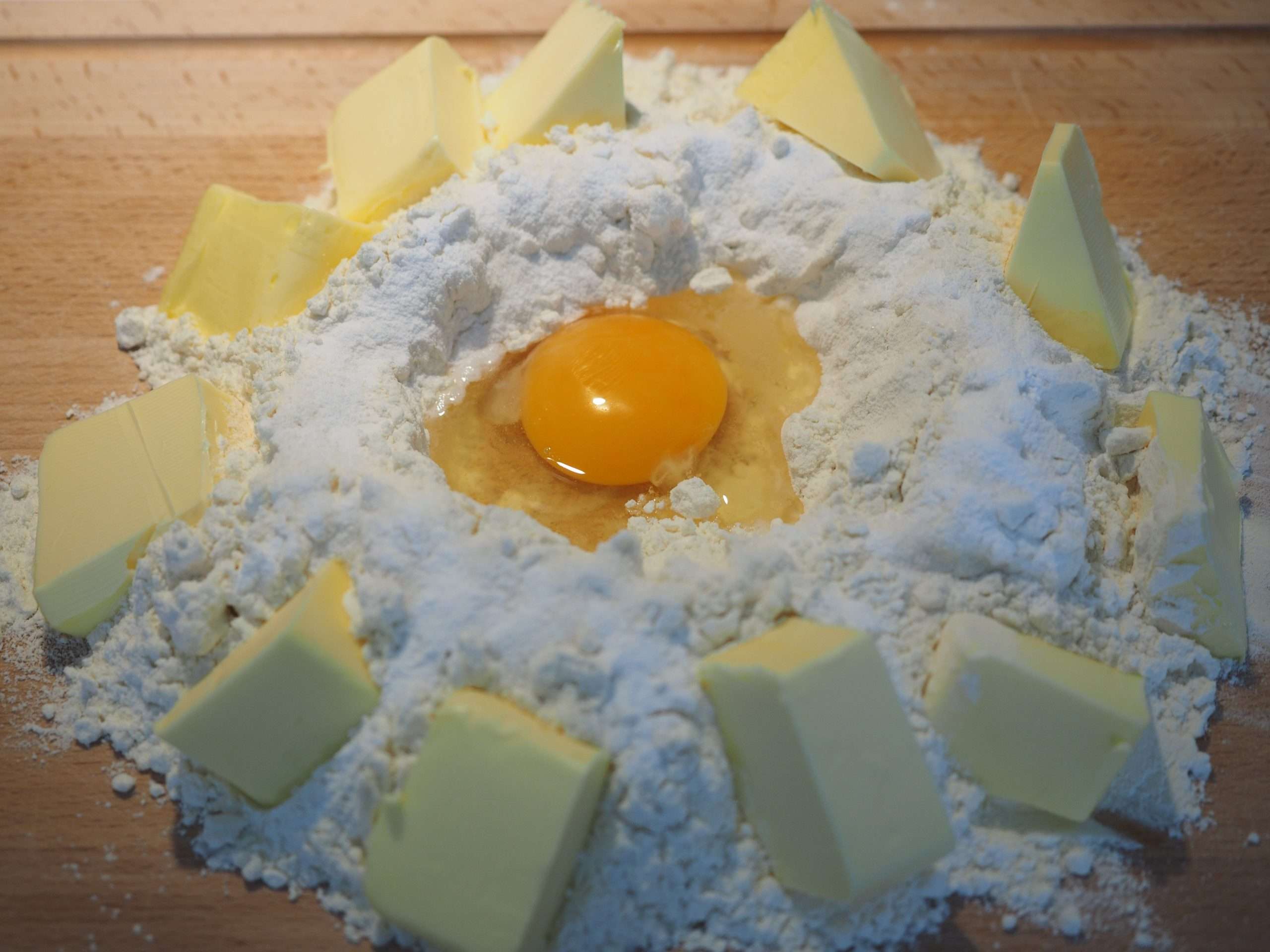
This is one of the lesser-known pastry-school tricks most home cooks never hear about.
WHY chefs swear by it: Tiny cold butter shards create steam pockets in biscuits, pie crusts, and scones, leading to a flaky texture.
Try this at home: Freeze butter for 10 minutes and grate it directly into flour.
10. Warm Your Plates Before Serving
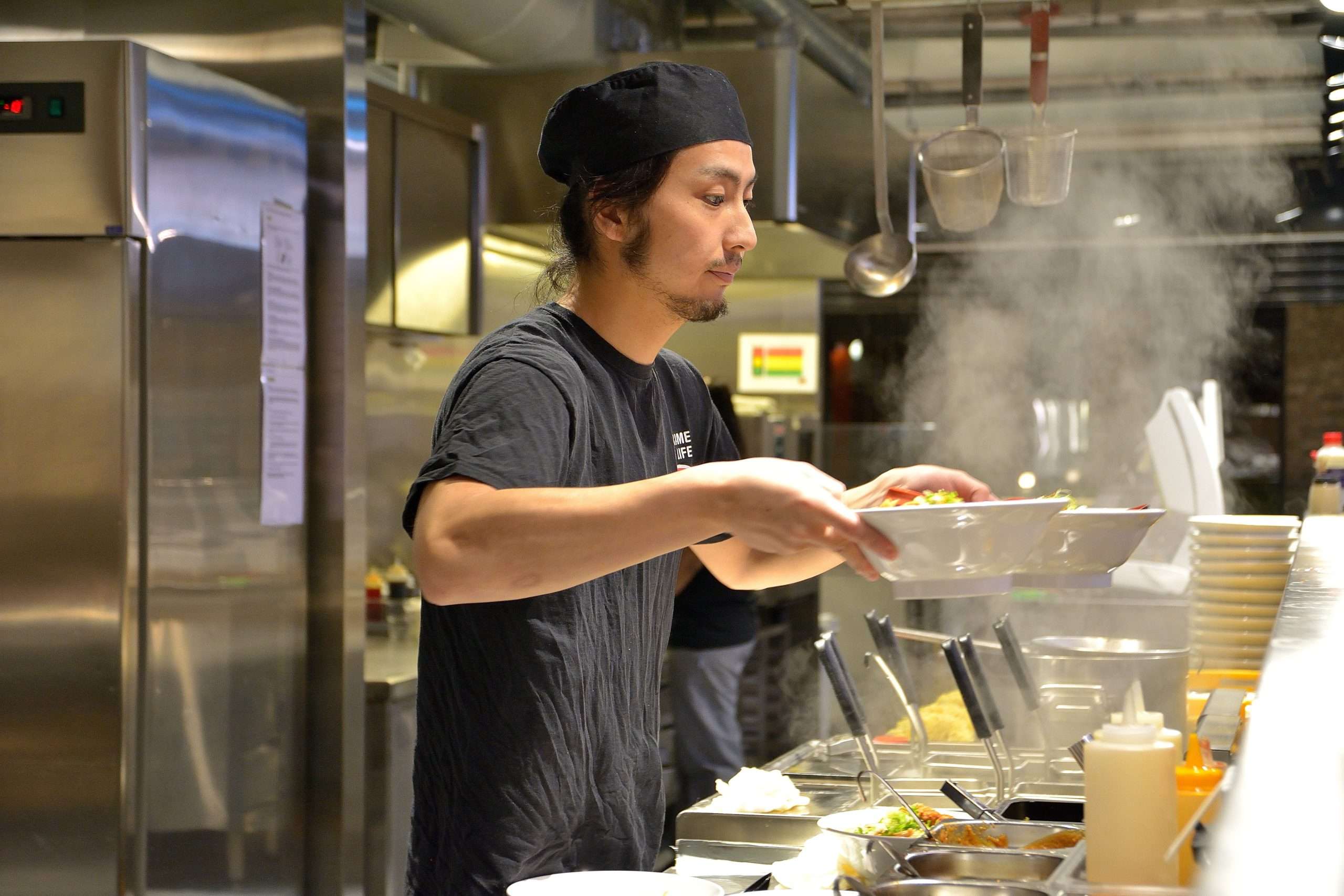
Fine-dining kitchens rarely serve hot food on cold plates.
WHY chefs swear by it: Temperature affects flavor perception. Warm plates help food stay hotter longer and preserve texture.
Try this at home: Place plates in a 170°F oven for 3–5 minutes before serving.
11. Build Flavor With Brown Bits
French chefs call this fond — the caramelized bits stuck to the bottom of the pan after searing.
WHY chefs swear by it: Fond is concentrated flavor. Deglazing transforms those browned bits into rich sauces.
Try this at home: After cooking meat, add wine, broth, or water to the pan and scrape the bottom with a wooden spoon.
12. Keep Your Knife Razor-Sharp
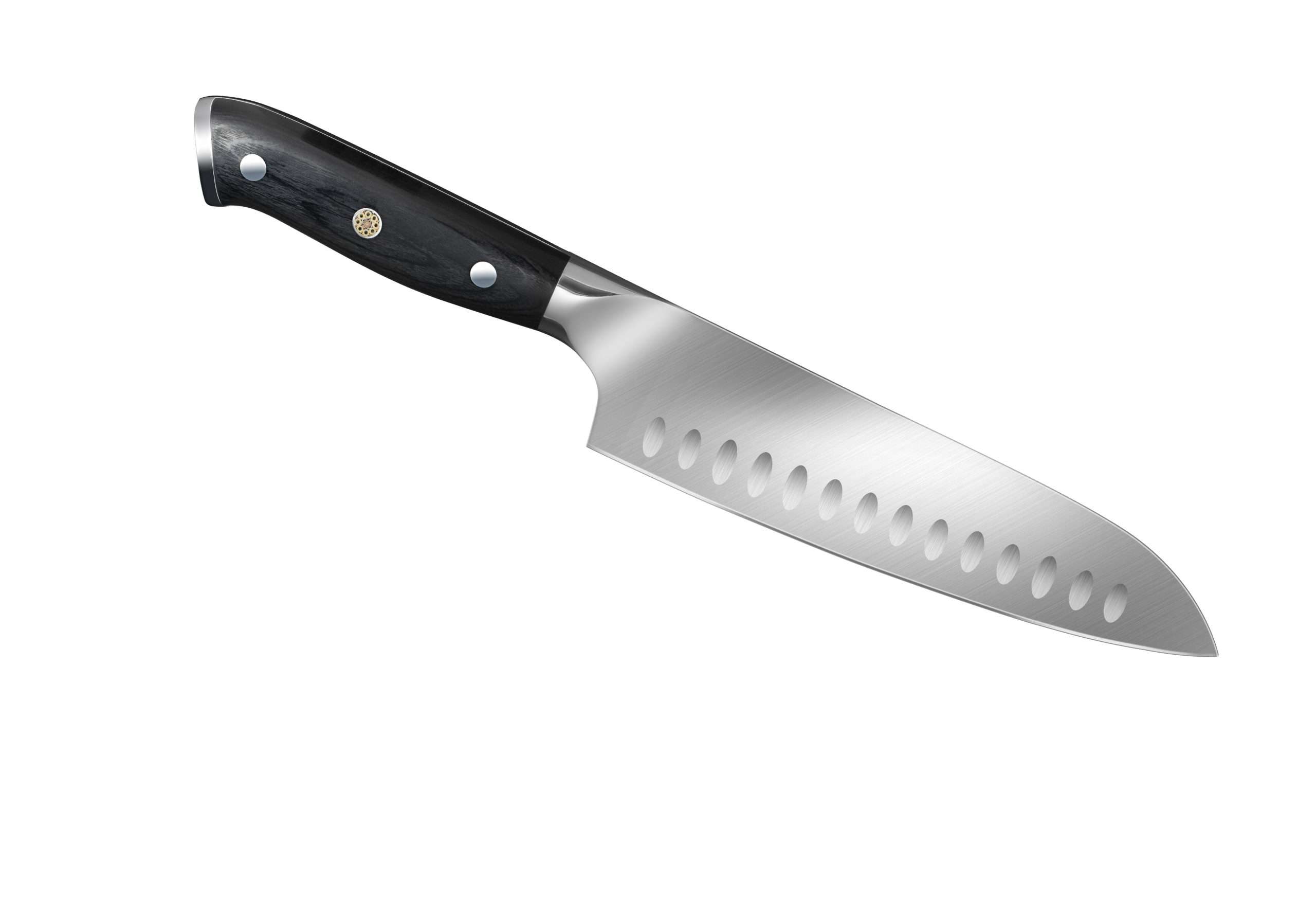
Japanese culinary philosophy emphasizes precision and respect for ingredients, starting with the knife.
WHY chefs swear by it: Sharp knives create cleaner cuts, reducing damage to herbs, vegetables, and proteins.
Try this at home: Hone your knife regularly and sharpen it professionally every few months.
13. Finish With Texture
Restaurant-quality meals almost always include texture contrast — creamy against crunchy, crisp against tender.
WHY chefs swear by it: Texture keeps every bite interesting and layered.
Try this at home: Add toasted breadcrumbs, flaky salt, crushed nuts, crispy onions, or fresh herbs just before serving.
14. Control Garlic Heat Carefully
Professional chefs rarely burn garlic because they know how quickly it turns bitter.
WHY chefs swear by it: Garlic becomes sweet and aromatic at moderate heat but harsh and acrid when scorched.
Try this at home: Add garlic after onions have softened and reduce the heat slightly.
15. Taste Constantly While Cooking
Culinary schools train chefs to taste throughout every stage of cooking. 👍🥩
WHY chefs swear by it: Flavor changes constantly as moisture evaporates and ingredients combine.
Try this at home: Keep tasting spoons nearby and adjust seasoning gradually instead of all at once.
Why These Chef Cooking Tips for Home Cooks Work Together
The magic isn’t in one technique alone. It’s cumulative.
When you season in layers, control heat properly, finish with acid, and build texture contrast, your food suddenly tastes more alive. Richer. Cleaner. More intentional. That’s how professional techniques transform ordinary ingredients into restaurant-quality meals.
The best chefs aren’t necessarily using secret ingredients. They’re paying attention to details most people overlook.
And once these habits become automatic, your entire kitchen changes.
Final Thoughts
Cooking better at home isn’t about perfection. It’s about awareness — hearing the sizzle when food hits a properly heated pan, smelling spices bloom in oil, noticing how a squeeze of lemon sharpens an entire dish.
Start with two or three of these chef cooking tips for home kitchens this week. You’ll taste the difference immediately.
Which tip surprised you most? Share your favorite kitchen hacks or professional techniques in the comments below — and tell us which one you’re trying first.
FAQ
What are the best chef cooking tips for home cooks?
Some of the most effective tips include seasoning in layers, controlling heat carefully, drying proteins before cooking, and using acid to balance flavor.
How do chefs make food taste restaurant-quality?
Professional chefs focus on technique more than expensive ingredients. Proper seasoning, caramelization, texture contrast, and timing create restaurant-quality meals.
What is mise en place in cooking?
Mise en place is a French culinary system meaning “everything in its place.” It involves prepping and organizing ingredients before cooking begins.
Why does restaurant chicken taste better?
Restaurant chicken is usually seasoned earlier, cooked with better heat control, rested properly, and finished with sauces or acids that enhance flavor.
What kitchen hacks do professional chefs use most?
Chefs commonly use sharp knives, layered seasoning, hot pans, pasta water emulsification, and finishing ingredients like citrus or flaky salt.
