

Unlock Chef Secrets: Recipes from Top US Chefs
Unlock Chef Secrets: Recipes from Top US Chefs

The scent of simmering sauces and the sizzle of meats fill the air. The balance of flavors dances on your taste buds. These signs show you’re enjoying a meal made by a pro chef. But what happens when the kitchen goes quiet, and the last dish is served? Could there be hidden wisdom that turns you from a home cook into a culinary artist? Inside busy kitchens, chefs weave a tapestry of flavors. This tapestry, if unfolded, could make your home meals extraordinary.
Key Takeaways
- Discovering chefs’ secrets requires tact and respect for their profession.
- Understanding the culinary arts through the eyes of professional chefs can inspire and enhance home cooking.
- There are prime moments to connect with chefs, away from the heat of the rush hour frenzy.
- Engagement with culinary masters can unlock a world of gastronomic knowledge.
- The transformation from a home cook to a connoisseur of cooking starts with appreciating a chef’s artistic approach to their dishes.
- One perfect recipe shared by a chef can become the centerpiece of your culinary repertoire.
Approaching Chefs with Grace and Right Timing
Aspiring home cooks often seek chef secrets to elevate simple dishes. To succeed, one must know the unwritten kitchen etiquette rules. It’s about finding the right moments to talk with seasoned chefs. This way, one can get valuable culinary advice and home cooking tips.
Understanding the Best Times to Seek Chef Advice
A busy kitchen is not ideal for learning. It’s best to seek culinary advice when it’s quiet. Showing respect for the chefs’ time allows for meaningful talks. Late afternoons or early mornings are usually perfect to get a chef’s insights.
How to Respectfully Request Recipes
Kitchen etiquette means approaching chefs with respect and admiration. When asking for recipes, start by praising the dish. This shows you value their creativity and effort, encouraging them to share their recipes.
Navigating Chefs’ Willingness to Share Culinary Knowledge
Chefs’ willingness to share chef secrets often hinges on how you ask. A respectful, understanding attitude is important. Chefs like to share their passion with those who truly appreciate cooking. It’s about connecting over a shared love of food.
Remember, gaining home cooking tips starts with patience, respect, and a desire to learn. Those who are considerate and keen in their approach often find chefs open to sharing their knowledge.
Questions That Reveal a Chef’s Inspiration

Every dish has its tale. Behind it is a chef driven by the chef’s inspiration and skill in culinary techniques. Understanding a chef’s thinking can give us precious insights into dish creation. By asking key questions, we can discover secrets that improve our cooking skills, making our food more creative and exciting.
Asking about how a signature dish came to be can be enlightening. Was it inspired by a memory, a classic recipe, or a tribute to their cooking heroes? These talks let us into the chef’s creative space, helping us value our meals more.
Talking about ingredient choice helps us understand tastes better and the role of ingredient quality. Chefs choose ingredients carefully, a skill home cooks can use to make their meals better.
- What influence does your heritage have on your cooking style?
- How do seasonal ingredients play a role in your menu design?
- Can you share how you developed a particular cooking technique for this dish?
- What are your go-to methods for ensuring consistent dish quality?
- Do you have advice for adapting professional recipes for home kitchens?
Understanding how a dish was created inspires amateur chefs to try those ideas themselves. Learning about the cooking skills for certain culinary techniques helps even beginners cook like professionals at home.
“Cooking is an art, but all art requires knowing something about the techniques and materials.” – Nathan Myhrvold
Listening to experienced chefs can change how you cook. Learning detailed skills like making sauces or pastry can turn a chef’s inspiration into your guide for amazing cooking.
The Blend of Art and Science in Cooking

Exploring cooking shows how culinary art and baking science mix. It’s where kitchen creativity meets cooking precision. For home chefs, mastering these areas is both tough and rewarding.
Cooking as a Creative Process
At the core of culinary art is kitchen creativity. Recipes become a canvas for personal touches. This invites chefs to experiment, turning the ordinary into the extraordinary.
Baking: A Form of Edible Chemistry
On the other hand, baking science plays a key role. It requires following the rules of edible chemistry closely. Each ingredient works together on a molecular level for the perfect result.
Balance of Intuition and Precision in the Kitchen
Home chefs strive for the peak of taste and presentation. They must blend artistic flair with scientific accuracy. This balance brings out the best in their cooking.
| Aspect | Culinary Art | Baking Science |
|---|---|---|
| Approach | Intuitive, Flexible | Precise, Methodical |
| Focus | Flavor and Presentation | Chemical Reactions and Consistency |
| Key Skills | Ingenuity and Creativity | Accuracy and Technical Knowledge |
| Outcome | Unique, Personalized Dishes | Reliably Reproducible Creations |
Culinary arts and baking sciences are essential for great cooking. They help a home chef turn daily cooking into a feast for the senses.
Chef, Secret, Recipes, Popular American Chefs

Searching for secret recipes leads us on a captivating journey into American cuisine. This adventure shows food enthusiasts the unique culinary gems crafted by renowned chefs. These recipes are special because of their taste and the stories they tell. They paint a picture of America’s rich food culture. In kitchen tales, we find the spark of creativity that keeps the food world exciting.
These sought-after recipes blend taste, history, and craft. By exploring these secrets, food lovers learn about America’s dining stories. It’s through these chefs’ creations that we taste America’s rich food variety.
Here’s a peek at the types of secret recipes that fascinate us:
- Classic comfort foods reimagined with a twist
- Regional specialties that tell the story of their origins
- Signature dishes that have defined a chef’s career
These recipes celebrate the places that inspired them. They remind us of America’s diverse food scene. From the smoky BBQ of the South to the bold Tex-Mex flavors, or seaside towns’ fresh catches. America’s flavors invite us to discover more.
| Region | Cuisine Style | Notable Dish | Chef’s Twist |
|---|---|---|---|
| New England | Seafood-centric | Clam Chowder | Herbal infusions & local clam varieties |
| South | Comfort food | Fried Chicken | Spice blends & heritage breed chickens |
| Pacific Northwest | Farm-to-table | Salmon | Wild foraged seasoning & wood planks |
| Southwest | Tex-Mex | Fajitas | Mesquite grilling & exotic chilis |
Every great meal starts with a chef’s bold dream. The renowned chefs who craft these secret recipes share their world through food. They are the guardians of their culinary tales, welcoming us to taste and celebrate American cuisine. Embracing U.S. gastronomy means enjoying a mix of tradition and new ideas. This blend is seasoned with the art of cooking.
The Impact of Heat Mastery on Culinary Perfection

Achieving culinary perfection is all about mastering heat. This skill sets a great chef apart from an average cook. It allows them to bring out the best flavors and textures in food.
Cooking isn’t just about recipes or ingredients. It’s about the art of controlling heat. Mastering temperature can elevate a meal from good to excellent. Every chef needs to know this.
The Secret to Perfectly Cooked Proteins
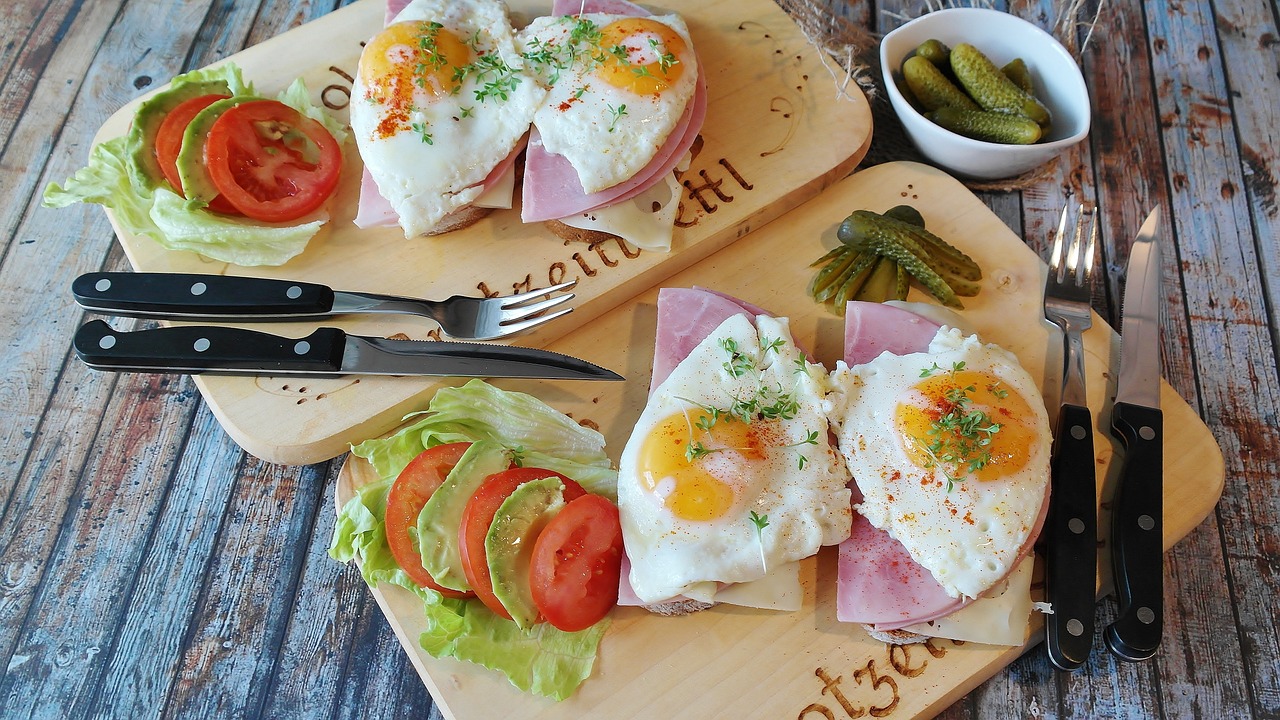
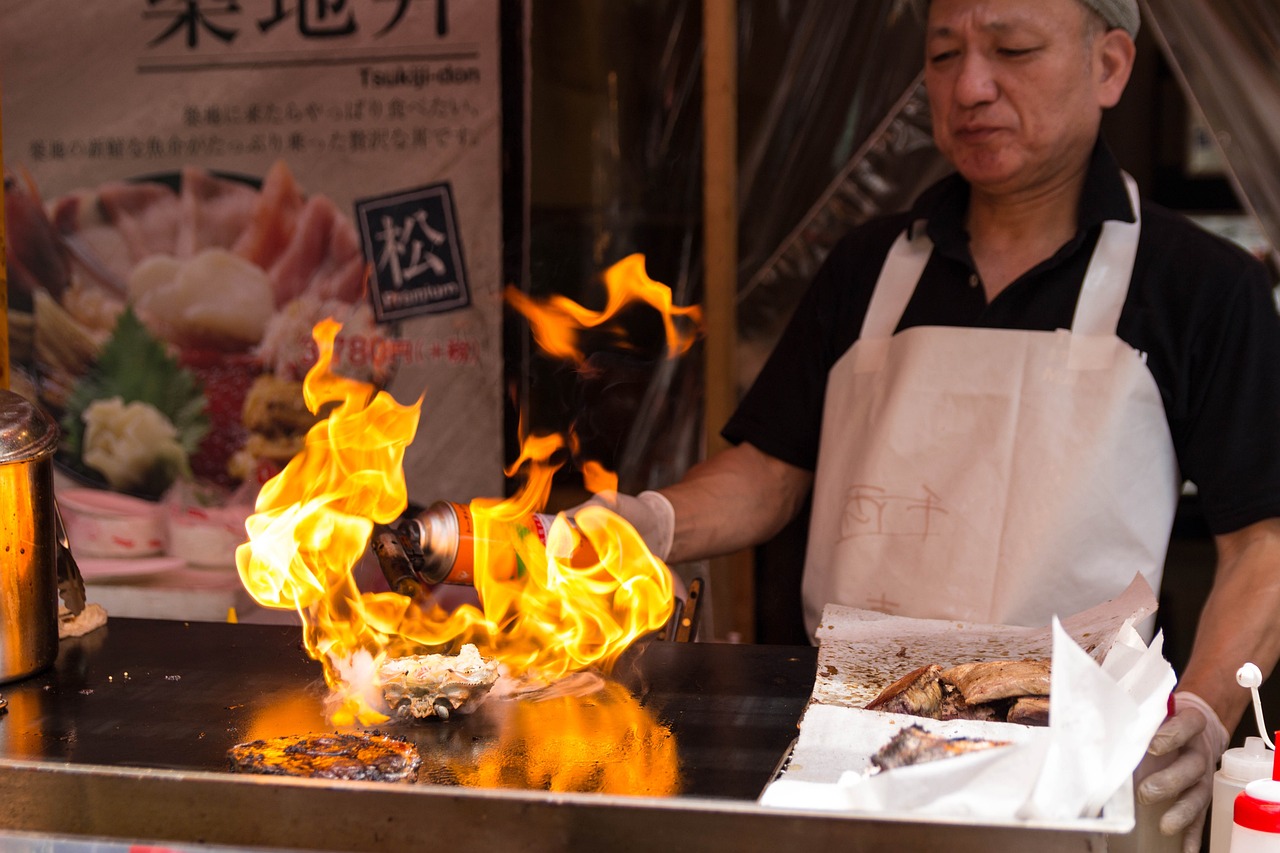
The key to cooking proteins like meat and fish is controlling heat. Knowing how long to cook them makes them tender instead of tough. It’s more than just timing; it’s about feeling and experience.
Decoding the Mystique of Temperature Control
Temperature control is crucial for many dishes. Sauces need a light simmer, chocolates need gentle melting, and breads need the right baking temperature. Mastering this balance is key to cooking well.
| Ingredient | Ideal Temperature Range | Cooking Method |
|---|---|---|
| Steak | 130-135°F (Medium Rare) | Grilling/Searing |
| Chocolate | 104-113°F (Melting point) | Double Boiler |
| Sourdough Bread | 450-475°F (Oven) | Baking |
| Béchamel Sauce | Below Boiling Point | Simmering |
Using these temperature skills in your cooking will uplift your dishes. It makes them as good as those from top chefs. Just remember to be patient, precise, and passionate. Mastering temperature in cooking leads to amazing tastes and textures.
Implementing Chef Techniques in Your Home Kitchen
Adapting chef techniques to your home kitchen can make a big difference. By using the same methods as professional chefs, you bring exciting flavors and textures to your meals. It takes practice and a love for tweaking recipe improvements to get better. Remember, thinking like a chef about food takes time. It’s a journey full of flavor that asks for dedication and a love for learning.
Learning new culinary skills will not just make your food better. It also lets you see the beauty in how meals are made. Let’s see how you can add a professional touch to your cooking at home:
- Learn basic skills like knife use, making sauces, and controlling heat. These skills are crucial for any great meal.
- Think of recipes as starting points and feel free to change them. Your touches can make a recipe much better.
- Pick fresh, quality ingredients when you can. Chefs know that the quality of ingredients can predict how good a dish will be.
- Paying attention to how you plate food is important. How a dish looks can change how it tastes, making meals feel special.
Bringing professional chef techniques into your home changes cooking from a chore to an exciting skill.
Here’s a table to help you remember these tips:
| Technique | Description | Impact on Home Cooking |
|---|---|---|
| Knives Mastery | Proper cutting methods. | Makes prep faster and improves texture. |
| Heat Control | Understanding how to cook at the right temperature. | Ensures your food is cooked just right with great flavor. |
| Sauce Artistry | Making flavors that go well together. | Adds complexity and richness to your meals. |
| Plating Techniques | Putting food on the plate nicely. | Makes eating a better experience with how good it looks. |
Using the creativity and dedication of chefs will make your recipes much better. Even a simple home kitchen can become a place for gourmet cooking. So, put on your apron, heat your pans, and start cooking like a pro!
From Simple Staples to Gourmet: Elevating Every Meal
Turning a simple dish into a masterpiece is what gourmet meal preparation and ingredient transformation are all about. In the kitchen, the goal is to see everyday ingredients in a new light. Chefs use their creativity and skill to make this happen.
Transforming Ordinary Ingredients
The secret to better cooking is seeing the potential in basic ingredients. It’s all about combining flavors in new ways. This creates dishes that impress both in taste and looks.
Plating and Presentation: The Final Touches of a Chef
When your dish is almost ready, how you present it makes a big difference. Good plating tells the story of the dish with color and shape. It shows the care that went into making it.
Chefs blend innovation with tradition to create memorable meals. They use their tools to bring their vision to life. Every detail, from garnishes to sauce, invites diners on a culinary journey.
| Ingredient | Regular Preparation | Gourmet Twist |
|---|---|---|
| Carrots | Boiled | Honey-glazed, garnished with microgreens |
| Chicken | Grilled | Sous-vide with crisp skin, drizzled with a reduction |
| Potatoes | Mashed | Truffle-infused, piped with a pastry bag |
| Tomatoes | Raw in salads | Roasted with herbs, turned into a coulis |
Cooking offers a chance to be creative and turn the ordinary into something special. Gourmet cooking is for everyone. It’s about exploring and elevating simple food into a feast for the senses.
Ingredients Matter: Selecting Quality Produce
Starting your cooking journey is greatly influenced by choosing the right ingredient selection. This step is crucial as it lays the foundation for cooking, highlighting why quality produce is key. For delicious meals, the freshness and quality of what you use are vital. They set the stage for the dish’s authenticity and taste.
Looking for the best fresh vegetables needs a keen eye. Search for those that look vibrant and feel firm. These qualities mean they’re fresh. Using such high-quality ingredients can make your dishes taste better and be healthier. This switch elevates your cooking to new heights.
- Grocery Tips: Always check for seasonality – fresh, in-season produce not only tastes better but also tends to be more affordable.
- Quality Produce: Organic and locally sourced vegetables often provide better taste and sustainability.
- Ingredient Selection: Examine produce for blemishes or signs of premature ripening to avoid wastage.
Choosing great produce is more than a task; it’s about loving taste and health. Spend time carefully picking your ingredients. Try to visit local farmer’s markets when you can. It’s there that you might find the very best produce around.
Let thoughtful ingredient selection improve your cooking, making fresh vegetables the main attraction. Use these grocery tips, and you could cook like a top chef. Good cooking starts with what you choose to use.
Remember, the most memorable meals start with an uncompromising commitment to quality. Choose well, cook with passion, and savor each bite.
Key Habits of Clean and Efficient Chefs
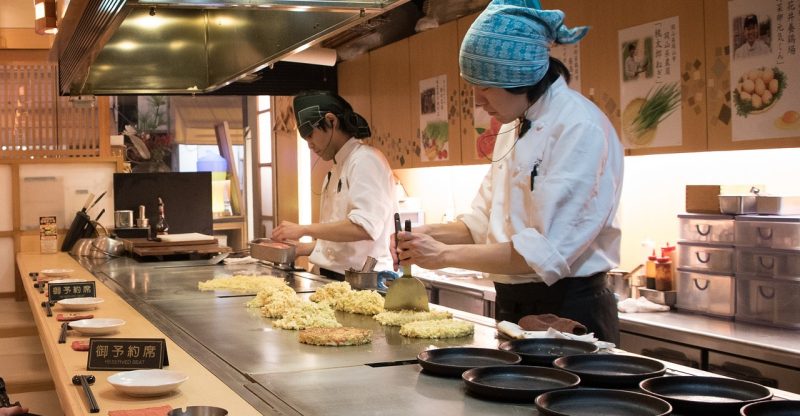
In the culinary world, how chefs organize their space is key. It goes beyond speed to how they move and use tools. This minimizes effort and increases productivity. Mise en place means “everything in its place.” An organization needs to cook. This approach stresses the need for prepping in advance. It lets chefs focus more on cooking with everything ready.
The Mise en Place Methodology
Using mise en place means planning. It calls for preparing ingredients, cookware, and utensils early. This method is a sign of a chef’s commitment to their craft. By keeping their kitchens in order, chefs can cook faster, make fewer errors, and improve their cooking. For anyone wanting to get better at cooking, applying mise en place is vital.
Maintaining Cleanliness: A Sign of Professionalism
Cleanliness is crucial in professional cooking. A tidy space prevents cross-contamination and ensures food is safe. It shows a chef’s professionalism. This involves cleaning surfaces, keeping boards spotless, and washing cookware. Being organized makes a chef efficient. Cleaning is essential for all chefs. It boosts the quality of your dishes immensely.
FAQ
What defines a chef?
A chef is a skilled cook with professional training. They are experts in preparing food, often in a specific type of cuisine. The title ‘chef’ indicates formal culinary training and experience in a professional kitchen.
What is the role of a chef?
A chef does more than cook. They create recipes, plan menus, and manage the kitchen staff. They also handle buying food and keeping track of it. Plus, they ensure the kitchen follows safety and cleanliness rules.
A chef’s duties include teaching younger kitchen staff. They may also work with other chefs to explore new culinary ideas.
When can a person be called a chef?
Someone becomes a chef after getting enough training and skills. This might come from school or lots of experience. They must know many cooking methods, understand food concepts, and lead a kitchen.
What is a female chef called?
A female chef is simply called a ‘chef,’ just like men. The term ‘chef’ is for anyone trained and able in a professional kitchen, regardless of gender.
How can you approach chefs for advice without interrupting their workflow?
To talk to chefs without getting in their way, pick a quiet time. Try after hours or when it’s slow. Showing respect for their work and a real wish to learn can open a good conversation.
What’s the best way to request recipes from professional chefs?
Ask chefs for recipes kindly and with respect. Appreciate their skill and see if they’re open to sharing. It’s best to ask when they’re not busy or through a message, so you don’t disturb them.
Are chefs open to sharing their culinary knowledge with home cooks?
Yes, many chefs love to share their cooking secrets with eager home cooks. If asked nicely and at the right time, they’re often glad to help and spread their passion for food.
What questions can reveal more about a chef’s inspiration behind a dish?
To understand a chef’s inspiration, ask about how they thought of the dish. Learn about the special meaning of the ingredients they chose. Also, ask about any special ways they prepare or serve it to make it unique.
What distinguishes cooking as a creative process from baking?
Cooking allows for more creativity and gut feeling while baking needs exactness. Measurements, temperatures, and times must be precise in baking to get good results.
Why is the mastery of heat so important in cooking?
Knowing how to control heat is crucial. It changes the food’s texture, taste, and look. Using heat right makes your cooking better, making everything taste and appear fantastic.
How can home cooks implement professional chef techniques in their kitchens?
Home cooks should practice a lot and stay open to new food ideas. Trying various ingredients and methods can improve their meals, making them taste and look better.
What kitchen habits are essential for maintaining cleanliness and efficiency?
Using Mise en Place, or ‘everything in its place,’ helps keep the kitchen organized. Keeping your space clean, staying clean yourself, and following cleanliness rules is key to being efficient and safe while cooking.
Source Links
- https://americasbestwingslaurel.mylocalkfc.com/unlocking-culinary-secrets-asking-chefs-for-recipes-and-techniques-to-elevate-your-home-cooking
- https://topsecretrecipes.com/top-secret-recipes-unlocked-by-todd-wilbur.html
- https://www.corriecooks.com/14-insider-secrets-from-top-chefs-for-amazing-meals/